Finding the Right Heroin Treatment Center for Your Recovery Journey

Finding the right heroin treatment center can feel overwhelming, but it’s one of the most essential choices you’ll make on the path to recovery. Every program offers something different, and knowing what truly matters helps you make an informed decision.
The right treatment center provides evidence-based care, personalized support, and long-term recovery planning that fits your unique needs.
At Fusion Recovery Center, we believe recovery is more than just stopping drug use—it’s about rebuilding a healthy, stable life. We focus on proven therapies, compassionate care, and ongoing support that help you stay strong through every stage of recovery.
When you choose a center that understands both the physical and emotional sides of addiction, you give yourself the best chance for lasting change.
Key Takeaways
- Quality treatment combines medical care, therapy, and recovery support.
- Personalized plans and aftercare improve long-term success.
- Choosing an accredited, evidence-based center builds a strong foundation for recovery.
Understanding Heroin Addiction and the Need for Specialized Treatment
Heroin addiction changes how the brain functions, affecting both physical health and emotional stability. Effective recovery requires specialized care that addresses the biological, psychological, and social effects of heroin dependency while supporting long-term mental health recovery.
How Heroin Addiction Develops
Heroin addiction often begins with misuse of prescription painkillers or exposure to opioids through recreational use. The drug binds to opioid receptors in the brain, releasing dopamine and creating intense feelings of pleasure and relief.
Over time, the brain adapts, reducing its natural ability to feel reward without the drug. This adaptation leads to tolerance, meaning higher doses are needed to achieve the same effect.
As tolerance increases, dependence develops, and withdrawal symptoms appear when use stops. These symptoms—such as nausea, pain, and anxiety—make quitting difficult without medical support.
Repeated use alters brain pathways that control decision-making, impulse control, and stress response. This neurological change helps explain why heroin addiction is considered a chronic substance use disorder that requires professional treatment rather than willpower alone.
Recognizing Substance Use Disorders
Identifying a substance use disorder early can prevent serious health and social consequences. Common signs include intense cravings, loss of control over use, and continued use despite adverse outcomes.
Physical symptoms often include weight loss, fatigue, and changes in sleep or appetite. Behavioral changes may involve isolation, neglect of responsibilities, or risky actions to obtain the drug.
Families and friends often notice mood swings, irritability, or secrecy. Clinicians diagnose heroin addiction using criteria such as frequency of use, level of impairment, and withdrawal severity.
Early intervention improves recovery outcomes, especially when individuals receive evidence-based treatment like medication-assisted therapy (MAT) and behavioral counseling that address both physical dependency and psychological triggers.
Impact on Mental Health and Co-Occurring Disorders
Heroin addiction frequently occurs alongside mental health disorders such as depression, anxiety, or trauma-related conditions. These co-occurring disorders can intensify cravings and increase the risk of relapse if left untreated.
Integrated treatment is essential. Programs that combine addiction therapy with mental health care help stabilize mood, reduce stress, and improve coping skills.
A collaborative team—often including psychiatrists, therapists, and addiction specialists—can tailor care to each person’s needs. Addressing both heroin dependency and co-occurring mental health conditions allows us to treat the whole person and support lasting recovery.
Key Factors in Choosing the Right Heroin Treatment Center
We must look beyond location or cost when selecting a heroin treatment center. The quality of care depends on verified accreditation, qualified staff, and transparent treatment outcomes that show real progress in recovery.
Accreditation and Licensing Standards
Accreditation confirms that a treatment center meets recognized quality and safety standards. Facilities accredited by CARF (Commission on Accreditation of Rehabilitation Facilities) or the Joint Commission follow evidence-based practices and maintain strict patient care protocols.
We should verify that the center holds current state licenses and meets SAMHSA (Substance Abuse and Mental Health Services Administration) guidelines for addiction treatment. These certifications ensure that programs use approved therapies and maintain proper oversight.
Accredited centers undergo routine inspections and must keep detailed records of compliance. This process helps us trust that the facility follows consistent clinical standards and protects patient safety.
When comparing options, it helps to confirm accreditation directly through the accrediting body’s website. A center that is transparent about its credentials shows accountability and commitment to quality care.
Staff Qualifications and Expertise
A strong treatment team defines the success of any addiction program. We should look for licensed therapists, certified addiction counselors, and board-certified addiction specialists who understand the physical and psychological aspects of heroin dependence.
Qualified professionals manage detox safely and guide therapy sessions that address cravings, triggers, and mental health issues. Staff with experience in medication-assisted treatment (MAT) and dual diagnosis care are especially valuable for patients with co-occurring disorders.
It’s essential to ask about the staff-to-patient ratio and the level of medical supervision available. A lower ratio allows for more personalized care and consistent monitoring.
Centers that invest in continuing education and professional certification demonstrate a commitment to staying current with addiction research and treatment methods.
Treatment Outcomes and Success Rates
Reliable treatment centers track and share data about patient progress. We should review treatment outcomes such as program completion rates, relapse statistics, and improvements in quality of life after discharge.
Reputable facilities define “success” clearly and use measurable indicators rather than vague claims. They often assess outcomes at multiple points—30 days, 6 months, and 1 year after treatment.
Below is an example of key data to request:
| Measure | What It Shows |
| Program Completion Rate | Engagement and retention in treatment |
| Relapse Rate | Long-term recovery stability |
| Quality of Life Improvement | Emotional, social, and physical progress |
We should be cautious of centers that promise unrealistic results or refuse to share outcome data. Transparent reporting reflects ethical practices and a genuine focus on recovery success.
Levels of Care and Treatment Approaches for Heroin Recovery
Effective heroin recovery involves structured care that matches each person’s needs. We focus on medical safety during withdrawal, evidence-based therapies, and the right balance between residential and outpatient treatment.
Using proven medications and supportive care helps manage symptoms and improve long-term recovery outcomes.
Inpatient vs. Outpatient Treatment Options
Inpatient treatment provides 24-hour care in a structured environment. Patients live at the facility, receive medical supervision, and participate in daily therapy sessions.
This level of care works best for those with severe heroin dependence or unstable living conditions. Outpatient treatment allows individuals to live at home while attending scheduled therapy sessions.
Intensive Outpatient Programs (IOPs) offer more hours of therapy per week than standard outpatient care, providing flexibility with strong clinical support.
| Level of Care | Living Arrangement | Supervision | Recommended For |
| Inpatient | At the facility | 24/7 medical care | Severe addiction, unstable home |
| IOP | At home | Scheduled sessions | Moderate addiction, stable home |
| Outpatient | At home | Minimal supervision | Mild addiction, strong support system |
We help patients choose the right setting based on their addiction severity, health status, and recovery goals.
Medical Detoxification and Managing Withdrawal
Detoxification is the first step in heroin recovery. It clears the drug from the body under medical supervision.
Withdrawal symptoms such as nausea, muscle pain, anxiety, and insomnia can be intense, so medical detox ensures safety and comfort. Doctors may use medications like clonidine to ease blood pressure spikes and anxiety.
In some cases, buprenorphine or methadone is introduced early to lessen cravings and withdrawal discomfort. We monitor vital signs, hydration, and emotional health throughout detox.
This process usually lasts several days to a week, depending on the individual’s heroin use history. A smooth detox helps prepare patients for therapy and long-term recovery work.
Medication-Assisted Treatment (MAT) for Heroin Addiction
Medication-Assisted Treatment (MAT) combines FDA-approved medications with counseling and behavioral therapy. It helps reduce relapse risk and supports long-term recovery.
Common medications include:
- Methadone: Reduces cravings and blocks heroin’s effects.
- Buprenorphine (often in Suboxone): Eases withdrawal with lower dependence risk.
- Naltrexone: Blocks opioid receptors to prevent euphoria from heroin use.
MAT is most effective when paired with therapy and regular medical follow-up. We adjust dosages carefully to balance comfort and safety.
This approach allows patients to regain stability and focus on rebuilding their lives free from heroin dependence.
Evidence-Based Therapies and Personalized Recovery Plans
We use evidence-based treatments that combine proven behavioral therapies with individualized care. Our approach focuses on addressing both the physical and emotional factors that drive heroin addiction.
Each person builds lasting recovery skills through structured, research-supported methods.
Cognitive Behavioral Therapy (CBT) and Dialectical Behavior Therapy (DBT)
Cognitive Behavioral Therapy (CBT) teaches us how thoughts, emotions, and behaviors connect. By identifying unhelpful thinking patterns, we learn to replace them with realistic and positive responses.
This process helps reduce cravings and manage triggers that often lead to relapse. CBT sessions include practical exercises such as thought tracking, coping strategy development, and relapse prevention planning.
These activities give us tools to handle stress and everyday challenges without turning to substances. Dialectical Behavior Therapy (DBT) expands on CBT by emphasizing emotional regulation and mindfulness.
It helps us tolerate distress, manage intense emotions, and improve relationships. DBT skills training often includes modules on mindfulness, interpersonal effectiveness, and emotional balance.
| Focus Area | CBT | DBT |
| Main Goal | Change negative thought patterns | Manage emotions and relationships |
| Key Skills | Cognitive restructuring, coping skills | Mindfulness, distress tolerance |
| Benefit | Reduces relapse risk | Builds emotional stability |
Motivational Interviewing and Behavioral Therapies
Motivational Interviewing (MI) helps us strengthen our internal motivation to change. Instead of confrontation, this approach uses open-ended questions and reflective listening to explore personal goals and reasons for recovery.
MI supports self-determination, which increases engagement in treatment. Behavioral therapies complement MI by encouraging positive actions that replace drug use.
Programs may include contingency management, where we earn rewards for meeting recovery goals, and behavioral activation, which promotes healthy routines. These evidence-based therapies work best when integrated into a personalized treatment plan.
Our clinicians adjust the intensity and focus of each session based on individual progress, ensuring care remains relevant and practical throughout recovery.
Trauma-Informed and Dual Diagnosis Treatment
Many people with heroin addiction also experience trauma or mental health conditions. Trauma-informed care ensures that treatment environments feel safe and respectful.
We avoid practices that may trigger past trauma and instead focus on empowerment and trust-building. Dual diagnosis treatment addresses both substance use and mental health disorders at the same time.
This integrated method may involve therapy, medication management, and coordinated support from addiction and psychiatric specialists. Common co-occurring conditions include depression, anxiety, and post-traumatic stress disorder (PTSD).
Treating these issues together prevents relapse and improves overall well-being. Our trauma-informed, dual diagnosis approach creates a stable foundation for long-term recovery and emotional healing.
Support Systems and Aftercare for Lasting Sobriety
We maintain lasting sobriety by staying connected to structured aftercare, building strong peer relationships, and involving family and community in our recovery plan. These supports help us manage cravings, strengthen coping skills, and reduce relapse risk after treatment ends.
Aftercare Planning and Relapse Prevention Strategies
Aftercare planning begins before we leave treatment. A clear plan outlines how we continue therapy, attend support meetings, and manage triggers in daily life.
Structured aftercare programs often include regular counseling, medication management, and check-ins with recovery coaches. We use relapse prevention strategies to identify high-risk situations and create practical responses.
Standard tools include journaling, mindfulness, and scheduling sober activities that replace old habits. Our recovery plan should also include SMART Recovery, AA, or other 12-step programs that provide accountability and structure.
These programs reinforce the coping skills we learned in treatment and keep us focused on progress. When we track our triggers and practice healthy coping methods, we strengthen our ability to manage cravings and protect our sobriety over time.
Peer Support and Group Therapy
Peer support gives us connection and understanding that professional treatment alone cannot offer. In group therapy, we share experiences, learn from others’ setbacks, and celebrate milestones together.
Support groups such as SMART Recovery and 12-step meetings create safe spaces to discuss challenges without judgment. These meetings encourage honesty and help us stay motivated through shared accountability.
We also benefit from structured peer support groups led by trained facilitators who focus on skills like communication, stress management, and relapse prevention. Being part of a consistent group teaches us that recovery is not a solo effort.
We gain encouragement, perspective, and practical advice from others who have faced similar struggles.
Family Therapy and Community Resources
Family therapy helps rebuild trust and improve communication damaged by addiction. Counselors guide families in setting healthy boundaries and supporting recovery without enabling old behaviors.
We involve loved ones in our recovery plan so they can recognize warning signs and respond effectively. Family participation strengthens accountability and provides emotional stability.
Community resources, such as housing assistance, employment programs, and local recovery centers, extend support beyond formal treatment. These services help us reintegrate into daily life while maintaining sobriety.
Financial Considerations and Insurance Coverage
We recognize that paying for heroin treatment can feel challenging. Understanding how insurance coverage works and what financial support is available helps us plan realistically and focus on recovery instead of costs.
Understanding Insurance Options
Most treatment centers, including ours, accept private insurance, Medicare, and Medicaid. Each plan covers addiction treatment differently, so we must confirm what services are included before admission.
Insurance may pay for parts of treatment such as detox, inpatient care, or outpatient therapy. Some plans require preauthorization or use of in-network providers.
Speaking directly with an insurance representative or an admissions specialist helps us verify coverage and out-of-pocket expenses.
| Coverage Type | Commonly Includes | Notes |
| Private Insurance | Detox, rehab, therapy | Varies by plan and provider |
| Medicare | Inpatient and outpatient services | Coverage depends on medical necessity |
| Medicaid | State-approved addiction treatment | Availability differs by state |
We should always ask about copays, deductibles, and length of covered stay. Knowing these details prevents unexpected costs and helps us choose a program that fits our financial situation.
Accessing Financial Assistance
If insurance does not cover all costs, several financial assistance options can help. Many centers offer sliding-scale fees based on income, making treatment more affordable.
Some programs provide payment plans that spread costs over time. State-funded or nonprofit facilities may also offer low-cost or free treatment for those who qualify.
We can contact local health departments or community organizations to learn about grants or public funding for addiction services. Medicaid expansion programs in some states cover more individuals, including those without private insurance.
Exploring these resources early allows us to begin treatment without delay and focus on long-term recovery rather than financial stress.
Why Choose Fusion Recovery Center for Your Recovery Journey
We focus on helping individuals rebuild their lives through structured, evidence-based addiction treatment services. Our approach blends medical expertise, personalized therapy, and ongoing support to create a safe environment for lasting recovery.
Comprehensive and Compassionate Care
At Fusion Recovery Center, we combine medical treatment with compassionate support. Our team includes licensed therapists, addiction specialists, and medical professionals who work together to treat both the physical and emotional aspects of heroin dependency.
We provide medication-assisted treatment (MAT) using approved medications such as methadone, buprenorphine, and naltrexone. These help manage withdrawal symptoms and reduce cravings while patients engage in therapy.
Our care plans are individualized to meet each person’s needs. We assess mental health conditions, family dynamics, and personal goals to create a treatment path that supports long-term wellness.
We also offer education for families, helping them understand addiction and develop supportive communication strategies. This collaborative care model helps patients and families heal together.
Innovative Programs and Amenities
We use evidence-based therapies like Cognitive Behavioral Therapy (CBT), Motivational Interviewing, and group counseling to help patients identify triggers and develop practical coping skills.
Our facility offers both outpatient detox and intensive therapy programs, allowing patients to receive structured care while maintaining daily responsibilities. This flexibility supports recovery without disrupting work or family life.
We integrate dual diagnosis treatment for those with co-occurring mental health conditions such as anxiety, depression, or trauma-related disorders. Treating both conditions together improves outcomes and stability.
To support comfort and engagement, our center provides modern amenities and access to telehealth sessions. These tools make it easier to stay connected with therapists and peers throughout the recovery process.
Patient Experiences and Reviews
Patients describe Fusion Recovery Center as supportive, professional, and respectful. Many highlight how staff members treat them with dignity and patience.
This creates a sense of trust essential for recovery. Reviews often mention the effectiveness of combining medication and therapy.
Patients also appreciate the benefit of continuous follow-up after treatment ends.
| Aspect | Patient Feedback |
| Staff Support | Compassionate, understanding, and responsive |
| Program Structure | Flexible, evidence-based, and personalized |
| Long-Term Support | Strong aftercare and relapse prevention resources |
Choosing a Recovery Center That Puts You First
Selecting the right heroin treatment center is one of the most important decisions you’ll make on your path to healing. The best programs don’t just focus on detox—they focus on rebuilding lives through compassionate care, therapy, and long-term support. At Fusion Recovery, we understand that every person’s journey is different. Our licensed clinicians and recovery specialists create individualized treatment plans that combine medical expertise with emotional support, ensuring that you’re never alone in your recovery. Whether you need medication-assisted treatment, therapy, or aftercare planning, our team is dedicated to helping you achieve stability and lasting wellness in a safe, judgment-free environment.
Take the next step toward recovery today: book a confidential appointment with Fusion Recovery or call to speak with a compassionate specialist who can help you start your journey toward a healthier, more fulfilling life.
Take the first step
Providing hope to all. Compassionate outpatient care for our community. Ready to talk?
Recovery begins when you reach out. Questions?
Call anytime to speak with an Admissions
Specialist, or request a consultation and we’ll follow up.
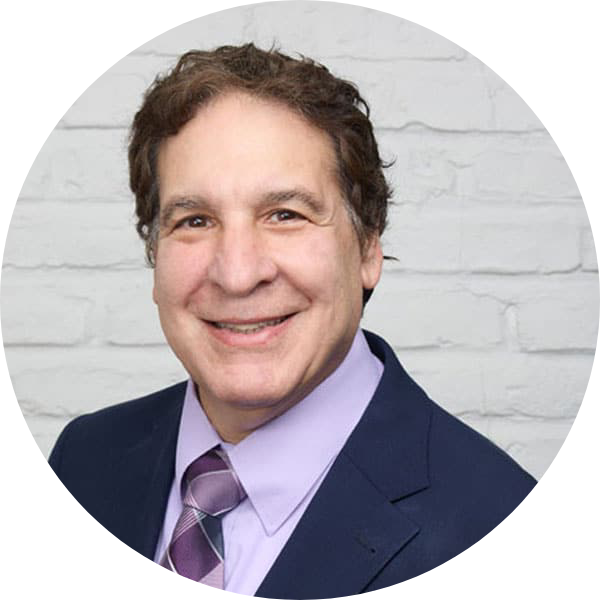
David Sietz, M.D.
Chief Medical Officer, Fusion Recovery
Email us or Call
Contact Form
"(Required)" indicates required fields