What We Treat
Addictions and Substance Use Disorders We Treat in Albany, NY
Fusion Recovery Center provides addiction treatment services in Menands, NY, serving Albany and the Capital Region with evidence-based, stigma-free care for substance use disorders and co-occurring mental health conditions. Whether you’re dealing with opioids, alcohol, stimulants, or a combination of substances and mental health challenges, we have a treatment path built for your situation.
Every patient at Fusion Recovery receives a personalized treatment plan, built around their history, their health, and their goals. No one-size-fits-all approach. No judgment. Just clinical care that works.
Addictions We Treat At Fusion Recovery

Alcohol Use Disorder & Alcoholism Treatment

Opioid Addiction Treatment
Opioid use disorder covers the full spectrum from prescription pain medications to heroin and fentanyl. Fusion Recovery’s MAT-first approach, with methadone, Suboxone, Sublocade, buprenorphine, naltrexone, and Vivitrol all available, is the gold standard for opioid treatment and the approach most strongly supported by clinical evidence.

Heroin Addiction Treatment

Fentanyl Addiction Treatment
Alcohol addiction is one of the most common and most treatable substance use disorders, but it requires the right clinical support to address safely. Fusion Recovery offers personalized alcohol addiction treatment, including medication-assisted treatment (naltrexone and Vivitrol), medically supervised detox coordination, IOP, and individual and group counseling.
Opioid use disorder covers the full spectrum from prescription pain medications to heroin and fentanyl. Fusion Recovery’s MAT-first approach, with methadone, Suboxone, Sublocade, buprenorphine, naltrexone, and Vivitrol all available, is the gold standard for opioid treatment and the approach most strongly supported by clinical evidence.



Stimulant use disorder, covering cocaine, methamphetamine, and prescription stimulants, is treated at Fusion Recovery through evidence-based behavioral therapies, including CBT, contingency management, and IOP. No FDA-approved MAT currently exists for stimulants; treatment is counseling-focused and clinically proven effective.

Substance Use & Co-Occurring Mental Health
Addiction and mental health conditions rarely travel alone. At Fusion Recovery, we treat both simultaneously through an integrated clinical approach, because treating only one consistently leads to the other pulling people back. Our co-occurring disorder programming addresses the substance use disorder and the mental health condition together, from the same clinical team, through the same program.
Conditions we treat alongside addiction include:
How Fusion Recovery Treats Addiction in New York
Every treatment page linked above describes a specific substance and Fusion’s approach to it. Across all of them, the core of what we offer stays consistent:
- Comprehensive clinical assessment, every patient starts with a full evaluation that shapes a personalized treatment plan
- Medically supervised detox coordination, for substances where withdrawal requires medical support
- Medication-Assisted Treatment (MAT), the full toolkit, including methadone, Suboxone, Sublocade, buprenorphine, naltrexone, and Vivitrol, where clinically appropriate
- Evidence-based counseling, CBT, DBT, trauma-informed care, and motivational interviewing
- Intensive Outpatient Program (IOP) and outpatient options, structured care built around real life
- Aftercare planning, a roadmap for what comes after active treatment ends

Serving Albany, NY and the Capital Region
Fusion Recovery Center is located in Menands, NY, minutes from downtown Albany and accessible from Schenectady, Troy, Clifton Park, Saratoga Springs, and surrounding communities.
Ready to Take the Next Step Towards Recovery?
Take the first step
Providing hope to all. Compassionate outpatient care for our community. Ready to talk?
Recovery begins when you reach out. Questions?
Call anytime to speak with an Admissions
Specialist, or request a consultation and we’ll follow up.
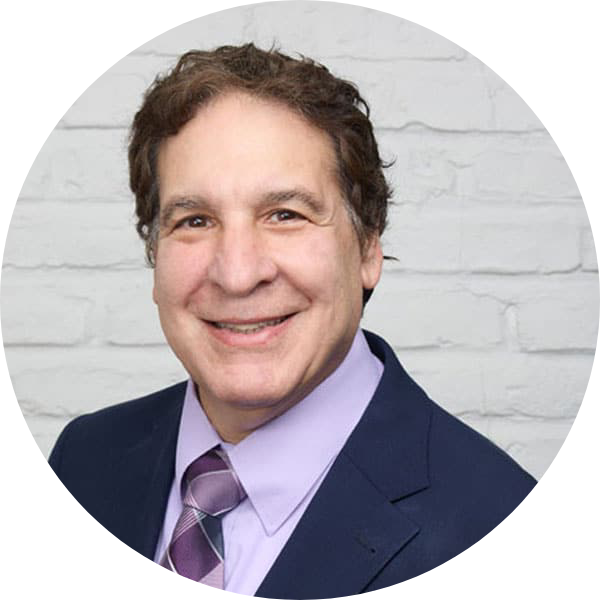
David Sietz, M.D.
Chief Medical Officer, Fusion Recovery
Email us or Call
Contact Form
"(Required)" indicates required fields