Addiction Counseling
Addiction Counseling & Therapy in Albany, NY
Addiction doesn’t develop in a vacuum, and it doesn’t resolve in one either. At Fusion Recovery Center in Albany, NY, addiction counseling is the clinical foundation of recovery: the work of understanding what drove your substance use, building the skills to sustain sobriety, and repairing the relationships and areas of life that addiction has affected. Our licensed therapists and counselors work with you one-on-one and in group settings, using evidence-based modalities proven to support lasting recovery. Whether you’re just starting treatment or working to maintain long-term sobriety, counseling is where the real work happens.

What Is Addiction Counseling at Fusion Recovery?
Addiction counseling is a structured clinical process that helps individuals understand the root causes of their substance use, identify the patterns and triggers that sustain it, and develop the practical tools needed to build a life in recovery. It is not a single session or a single approach; it is an ongoing therapeutic relationship between you and a licensed clinician, adapted to your needs at every stage of treatment.
At Fusion Recovery, addiction counseling is integrated into every level of care. Whether you are in our Intensive Outpatient Program (IOP), standard outpatient treatment, or ongoing recovery support, counseling is a consistent and central part of your program, not an add-on.
Benefits of Addiction Counseling: Beyond the Mental and Physical
Understand the root causes of your addiction
Build practical coping skills
Address co-occurring mental health conditions
Repair relationships and rebuild your life
Create a foundation for long-term recovery
Addiction Counseling Formats at Fusion Recovery
Fusion Recovery offers multiple counseling formats, recognizing that different patients benefit from different therapeutic contexts. All formats are led by licensed therapists and integrated into your overall treatment plan.
Individual Therapy
Primary modalities used in individual therapy at Fusion Recovery include cognitive behavioral therapy (CBT) and dialectical behavior therapy (DBT), both of which have strong evidence bases for treating substance use disorders and co-occurring mental health conditions.
Group Therapy
Family Therapy
Telehealth Counseling
Who May Benefit from Addiction Counseling in Albany, NY
Addiction counseling at Fusion Recovery is appropriate for anyone at any stage of their recovery journey. Specifically, counseling is well-suited for:
Individuals beginning treatment
Counseling is a core component of treatment from day one, providing the clinical support and skills needed to move through early recovery successfully alongside detox or MAT where applicable.
Individuals with co-occurring mental health conditions
For adults and adolescents managing both addiction and mental health challenges, counseling is where the integrated work of dual diagnosis treatment happens, addressing both conditions through evidence-based modalities in a coordinated clinical approach.
Individuals in long-term recovery
Recovery doesn’t end when active treatment does. Counseling provides ongoing support for patients in long-term recovery, a resource for navigating life’s challenges without returning to substance use.
Veterans and active service members
Military service carries unique stressors: trauma, transition, loss, and the weight of experiences that are difficult to share outside of those who’ve lived them. Fusion Recovery’s trauma-informed counseling approach provides a safe, non-judgmental space for veterans and service members working through addiction and its underlying causes.
Families and loved ones
Through family therapy, Fusion Recovery extends counseling support to the people who matter most to patients, helping families understand addiction, improve communication, and support their loved one’s recovery in healthy, effective ways.
Why Choose Fusion Recovery for Addiction Counseling?
Licensed, experienced clinicians
Every counseling session at Fusion Recovery is led by a licensed therapist or counselor with specialized training in addiction treatment. Our clinical team brings both the credentials and the experience to deliver care that makes a real difference.
Evidence-based modalities
Fusion Recovery’s counseling program uses CBT, DBT, motivational interviewing, and trauma-informed care, approaches that are extensively researched and consistently demonstrated to be effective for addiction treatment and co-occurring disorders.
Integrated with your full treatment plan
Counseling at Fusion Recovery doesn’t happen in isolation, it is coordinated with your MAT, your IOP schedule, your medical care, and your aftercare plan. Every element of your treatment works together rather than in parallel.
Non-judgmental, patient-centered environment
Fusion Recovery’s clinical culture is built on respect, compassion, and the belief that everyone deserves quality care regardless of their history. Our counselors bring that commitment to every session.
OASAS-certified, Albany-area provider
Fusion Recovery is an OASAS-certified outpatient treatment provider located in Menands, NY, serving Albany, Schenectady, Troy, Clifton Park, Saratoga Springs, and the Capital Region.

Begin Addiction Counseling at Fusion Recovery
Recovery starts with reaching out. If you’re ready to begin counseling, or if you want to understand what the process looks like before making any decisions, our admissions team is here to answer your questions, walk you through your options, and help you take the next step at whatever pace feels right.
Frequently Asked Questions About Addiction Therapy
01. What is addiction counseling?
Addiction counseling is a structured therapeutic process that helps individuals understand the root causes of their substance use, identify the patterns and triggers that sustain it, and develop the practical tools needed to build a life in recovery. At Fusion Recovery, counseling is led by licensed therapists and integrated into every level of care, from your first day of treatment through long-term recovery support.
03. What is the difference between CBT and DBT in addiction treatment?
Cognitive behavioral therapy (CBT) helps you identify and change the thought patterns and behaviors driving your addiction. Dialectical behavior therapy (DBT) builds on that foundation by adding skills in emotional regulation, distress tolerance, and mindfulness, particularly valuable for patients who struggle with intense emotions or impulsive behaviors. Both are used at Fusion Recovery based on individual clinical needs.
05. Can counseling treat both addiction and mental health at the same time?
Yes. Fusion Recovery’s integrated approach addresses co-occurring substance use disorders and mental health conditions simultaneously through the same counseling program. CBT, DBT, and trauma-informed care are all effective for both addiction and conditions like depression, anxiety, PTSD, and bipolar disorder.
07. Is family involvement encouraged in addiction counseling?
Absolutely. Fusion Recovery offers family therapy and actively encourages family involvement in the recovery process where appropriate. Family therapy provides a structured space for patients and loved ones to rebuild trust, improve communication, and develop a shared understanding of addiction and recovery.
09. What can I expect in my first addiction counseling session?
Yes. Most insurance plans, including Medicaid, cover addiction counseling as part of substance use disorder treatment. Fusion Recovery accepts a wide range of insurance plans and can verify your specific benefits before your first appointment. Contact our admissions team to confirm your coverage.
02. What types of addiction counseling does Fusion Recovery offer?
Fusion Recovery offers individual therapy, group therapy, family therapy, and telehealth counseling, all facilitated by licensed clinicians and coordinated as part of your overall treatment plan. Most patients participate in more than one format, as each serves a distinct purpose in the recovery process.
04. How long does addiction counseling last?
The duration of counseling varies by individual. Most patients receive counseling throughout their active treatment program, IOP or outpatient, and many continue with ongoing sessions after completing the structured program as part of their long-term recovery plan. Your clinical team will work with you to determine the right timeline.
06. Is addiction counseling available via telehealth?
Yes. Fusion Recovery offers telehealth counseling for patients who face barriers to in-person attendance, whether due to transportation, work schedules, childcare, or distance. Sessions are conducted via secure video platform and provide the same licensed clinical care as in-person therapy.
08. Do veterans receive specialized counseling support at Fusion Recovery?
Fusion Recovery’s trauma-informed counseling approach is well-suited to the unique experiences of veterans and active service members, including trauma, transition, and the challenges of reintegration. Our clinicians provide a non-judgmental, compassionate environment where veterans can address both addiction and its underlying causes.
10. Does insurance cover addiction counseling?
Fusion Recovery provides aftercare planning, continued outpatient support, relapse prevention tools, and access to our New York area location. Our goal is long-term stability and a productive, sober lifestyle.
01. What is addiction counseling?
Addiction counseling is a structured therapeutic process that helps individuals understand the root causes of their substance use, identify the patterns and triggers that sustain it, and develop the practical tools needed to build a life in recovery. At Fusion Recovery, counseling is led by licensed therapists and integrated into every level of care, from your first day of treatment through long-term recovery support.
02. What types of addiction counseling does Fusion Recovery offer?
Fusion Recovery offers individual therapy, group therapy, family therapy, and telehealth counseling, all facilitated by licensed clinicians and coordinated as part of your overall treatment plan. Most patients participate in more than one format, as each serves a distinct purpose in the recovery process.
03. What is the difference between CBT and DBT in addiction treatment?
Cognitive behavioral therapy (CBT) helps you identify and change the thought patterns and behaviors driving your addiction. Dialectical behavior therapy (DBT) builds on that foundation by adding skills in emotional regulation, distress tolerance, and mindfulness, particularly valuable for patients who struggle with intense emotions or impulsive behaviors. Both are used at Fusion Recovery based on individual clinical needs.
04. How long does addiction counseling last?
The duration of counseling varies by individual. Most patients receive counseling throughout their active treatment program, IOP or outpatient, and many continue with ongoing sessions after completing the structured program as part of their long-term recovery plan. Your clinical team will work with you to determine the right timeline.
05. Can counseling treat both addiction and mental health at the same time?
Yes. Fusion Recovery’s integrated approach addresses co-occurring substance use disorders and mental health conditions simultaneously through the same counseling program. CBT, DBT, and trauma-informed care are all effective for both addiction and conditions like depression, anxiety, PTSD, and bipolar disorder.
06. Is addiction counseling available via telehealth?
Yes. Fusion Recovery offers telehealth counseling for patients who face barriers to in-person attendance, whether due to transportation, work schedules, childcare, or distance. Sessions are conducted via secure video platform and provide the same licensed clinical care as in-person therapy.
07. Is family involvement encouraged in addiction counseling?
Absolutely. Fusion Recovery offers family therapy and actively encourages family involvement in the recovery process where appropriate. Family therapy provides a structured space for patients and loved ones to rebuild trust, improve communication, and develop a shared understanding of addiction and recovery.
08. Do veterans receive specialized counseling support at Fusion Recovery?
Fusion Recovery’s trauma-informed counseling approach is well-suited to the unique experiences of veterans and active service members, including trauma, transition, and the challenges of reintegration. Our clinicians provide a non-judgmental, compassionate environment where veterans can address both addiction and its underlying causes.
09. What can I expect in my first addiction counseling session?
Your first session is primarily an opportunity for your counselor to get to know you, your history with substance use, your current circumstances, your goals, and any concerns you have about the process. It is not a test or an interrogation. You set the pace, and your counselor is there to listen, ask thoughtful questions, and begin building a therapeutic relationship that supports your recovery.
10. Does insurance cover addiction counseling?
Yes. Most insurance plans, including Medicaid, cover addiction counseling as part of substance use disorder treatment. Fusion Recovery accepts a wide range of insurance plans and can verify your specific benefits before your first appointment. Contact our admissions team to confirm your coverage.
If you’re ready, we’ll listen and help you explore treatment options without pressure.
Take the first step
Providing hope to all. Compassionate outpatient care for our community. Ready to talk?
Recovery begins when you reach out. Questions?
Call anytime to speak with an Admissions
Specialist, or request a consultation and we’ll follow up.
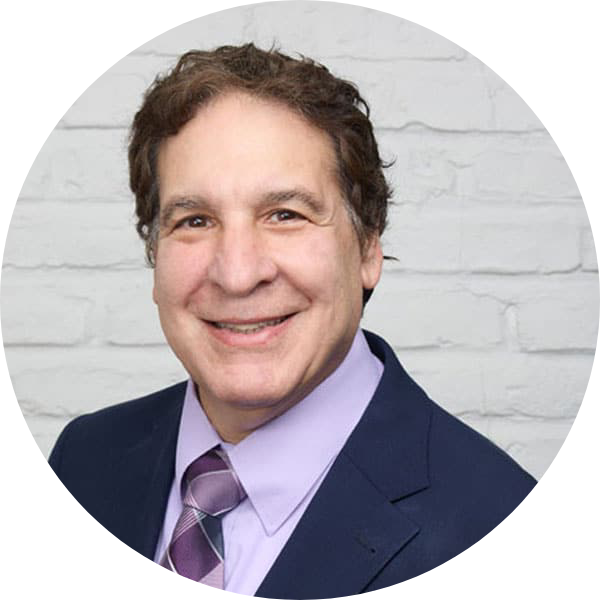
David Sietz, M.D.
Chief Medical Officer, Fusion Recovery
Email us or Call
Contact Form
"(Required)" indicates required fields