OPIATE & OPIOID ADDICTION TREATMENT
Opioid Addiction Treatment in Albany, NY
Opioid addiction takes many forms: a prescription for pain that became something you couldn’t stop, heroin, fentanyl, or any number of opioids that became the center of daily life. Whatever the path that brought you here, opioid use disorder is one of the most treatable addictions when the right clinical support is in place. At Fusion Recovery Center in Albany, NY, we provide comprehensive, MAT-first opioid addiction treatment built around the medications and therapies that evidence most strongly support, personalized to your situation, delivered with compassion, and designed for long-term recovery.

Opioid Addiction Comes in Many Forms
Opioid use disorder doesn’t have a single profile. For some people, it begins with a prescription, OxyContin, Vicodin, or hydrocodone, which becomes physically necessary. For others, it starts with heroin or fentanyl. For many, the path winds through multiple substances. What all of these share is the same underlying clinical reality: opioids change brain chemistry in ways that make stopping without support genuinely difficult, and the withdrawal process creates a physical barrier that keeps people trapped in use even when they want out.
Fusion Recovery treats opioid addiction across the full spectrum: prescription opioids, heroin, fentanyl, and everything in between. Wherever you are on that spectrum, our clinical team has worked with patients like you, and we know how to help.
How Fusion Recovery Treats Opioid Addiction
Opioid use disorder responds most strongly to a MAT-first clinical approach, medication that stabilizes brain chemistry and reduces cravings, combined with behavioral therapy and structured programming that builds lasting recovery. Here’s what that process looks like at Fusion Recovery.
01.
Clinical Assessment
Your treatment begins with a comprehensive evaluation. Our clinical team takes time to understand your full history with opioid use, which substances, how long, at what levels, along with any prior treatment attempts, your current physical and mental health, and your daily life circumstances. This assessment is the foundation of a treatment plan built specifically for you, not a generic protocol applied to everyone who walks through the door.
02.
Medically Supervised Detox
Opioid withdrawal is physically demanding and, without support, one of the most common reasons people return to use before treatment can take hold. Symptoms, such as muscle aches, nausea, sweating, anxiety, insomnia, and intense cravings, can begin within hours of the last dose and make the early days of recovery feel insurmountable without clinical help.
Fusion Recovery coordinates medically supervised detox to help you stabilize safely, managing withdrawal under professional oversight so you can move into active treatment on solid ground.
03.
Structured Outpatient Treatment
Once stabilized, active treatment begins. Fusion Recovery offers flexible outpatient programming and an Intensive Outpatient Program (IOP), structured, consistent clinical care that fits around your work, family, and daily life. Your treatment team stays actively engaged throughout, monitoring your progress and adjusting your plan as recovery evolves.
IOP is particularly well-matched to opioid addiction recovery, providing the frequency of clinical contact and accountability that early recovery requires without inpatient admission.
Combined Treatment Options for Recovery at Fusion
Opioid use disorder affects the brain, the body, and behavior, and effective treatment addresses all three at once. At Fusion Recovery, medication, therapy, and structured programming work in parallel so you’re supported on every level throughout recovery.
Medication-Assisted Treatment (MAT), The Gold Standard for Opioid Addiction
MAT is the most evidence-supported treatment for opioid use disorder and the clinical backbone of Fusion Recovery’s approach. FDA-approved medications dramatically reduce cravings, ease withdrawal, lower overdose risk, and improve treatment retention, giving you the physiological stability that makes the behavioral work of recovery possible.
Fusion Recovery offers the full range of MAT options for opioid addiction, and your clinical team will work with you to identify which medication best fits your situation, health history, and recovery goals:
- Methadone, A long-acting opioid agonist administered daily at our clinic. Methadone stabilizes opioid receptors, reducing withdrawal symptoms and cravings without the highs and lows of active opioid use. Fusion Recovery is a certified Opioid Treatment Program (OTP), authorized to administer methadone as part of a comprehensive treatment program. Patients on methadone are four times more likely to remain in treatment.
- Suboxone (buprenorphine/naloxone), A partial opioid agonist that reduces cravings and manages withdrawal symptoms. Taken as a daily sublingual film or tablet, Suboxone is one of the most widely used and effective MAT options for opioid use disorder.
- Buprenorphine, The active component in Suboxone, sometimes prescribed independently. Partially activates opioid receptors to ease withdrawal and reduce cravings without producing a significant high.
- Sublocade (buprenorphine extended-release injection), A once-monthly injectable form of buprenorphine that removes the daily medication routine and reduces the risk of missed doses, a meaningful advantage for patients managing the demands of early recovery.
- https://fusionrecovery.com/what-we-treat/naltrexone-treatment/, Blocks opioid receptors entirely, preventing opioids from producing any effect. Most appropriate for patients who have fully completed detox and are opioid-free.
- Vivitrol (naltrexone extended-release injection), A once-monthly injectable form of naltrexone providing consistent opioid blockade without daily dosing, supporting longer-term relapse prevention.
Individual Therapy
One-on-one sessions with a licensed counselor give you the space to work through the factors driving your opioid use, whether that’s chronic pain, trauma, mental health, or behavioral patterns developed over years of use. CBT and DBT are the primary therapy modalities used at Fusion Recovery, building practical coping skills and emotional regulation tools that hold up in real life.
Group Therapy & Peer Support
Group therapy connects you with others navigating opioid recovery, building accountability, shared understanding, and a community that extends well beyond your time in treatment. For opioid recovery specifically, where isolation often deepens dependency, the connection built in group work is one of the most protective parts of the program.
Aftercare Planning
Before you complete your program at Fusion Recovery, we build a structured aftercare plan with you, continued outpatient support, community resources, and a clear roadmap for managing cravings and challenges after active treatment ends. Long-term stability is the goal, not just program completion.
Opioid Addiction Treatment for Specific Substances in Albany, NY
Opioid use disorder is the umbrella, but the specifics of treatment can vary depending on the substance and how the dependency developed. Fusion Recovery provides dedicated treatment pathways for:
Heroin Addiction
Heroin dependency is one of the most physically intense forms of opioid use disorder. Our MAT-first approach, with methadone, Suboxone, and buprenorphine as first-line options, significantly reduces overdose risk and dramatically improves treatment retention for heroin-dependent patients.
Fentanyl Addiction
Fentanyl’s potency makes dependency develop faster, and withdrawal feels more acute than with other opioids. Fusion Recovery’s OTP-certified program and full MAT toolkit are specifically suited to the clinical demands of fentanyl treatment.
Prescription Opioid Addiction
Many patients begin with prescription opioids, oxycodone, hydrocodone, codeine, and find themselves dependent over time, often without recognizing the transition. Prescription opioid dependency carries no less clinical urgency than other forms of opioid use disorder, and Fusion Recovery’s integrated approach treats it with the same clinical rigor and compassion.
Why Choose Fusion Recovery for Opioid Treatment?
Fusion Recovery is an OASAS-certified, OTP-certified outpatient treatment provider in Albany, NY, with extensive experience treating opioid use disorder across its full spectrum. Here’s what defines our approach:
- Full MAT toolkit, methadone, Suboxone, Sublocade, buprenorphine, naltrexone, and Vivitrol, all available
- OTP certification, one of the only outpatient providers in the Capital Region authorized to administer methadone
- Medically supervised detox coordination, safe stabilization from day one
- Integrated counseling, CBT, DBT, trauma-informed care, and individual and group therapy
- Flexible outpatient scheduling, IOP and outpatient options built around your life
- Non-judgmental environment, compassionate care regardless of your history with opioids
- Accessible Albany-area location, public transit accessible, flexible hours
Opioid use disorder is a medical condition. Recovery is possible, and it starts with reaching out.
Does Insurance Cover Opioid Addiction Treatment in New York?
Most insurance plans, including Medicaid, Medicare, and many private insurers, cover opioid addiction treatment, including MAT medications like methadone, Suboxone, and Sublocade. Fusion Recovery accepts a wide range of insurance plans and can help verify your benefits before your first appointment.

Begin Your Journey to Recovery
Whether you’re dealing with prescription opioids, heroin, fentanyl, or any other form of opioid dependency, our team is here. No judgment, no pressure, just real clinical support and a path forward.
Frequently Asked Questions About Cocaine Recovery
01. What are opioids and opiates?
Opioids are a class of drugs that include prescription painkillers (oxycodone, hydrocodone, morphine), synthetic opioids (fentanyl), and illegal drugs (heroin). They are among the most addictive substances and are prescribed to treat chronic pain.
03. What is the opioid epidemic?
The opioid epidemic refers to the dramatic rise in opioid-related overdose deaths since the 1990s. It evolved in three waves: prescription painkiller abuse, a rise in heroin overdoses starting in 2010, and a surge in fentanyl deaths beginning in 2013. Nearly 500,000 people died between 1999 and 2019.
05. What is the difference between methadone, Suboxone, and naltrexone?
Methadone reduces cravings by attaching to the same brain receptors without producing a high. Suboxone treats withdrawal symptoms and can counteract an active overdose. Naltrexone is an opioid-blocking agent taken after detox that blocks the euphoric effects of substances.
07. How long does opioid treatment take?
Treatment length varies based on the individual, substance used, duration of use, and co-occurring conditions. Medical detox typically lasts 5–14 days. Ongoing treatment, MAT, and aftercare may continue for months. Some individuals benefit from long-term maintenance treatment.
09. Does insurance cover opioid addiction treatment?
Yes, most insurance plans cover substance abuse treatment, including opioid addiction. Fusion Recovery accepts Medicaid, Medicare, and many major providers. Contact us to verify your specific coverage and benefits.
02. Why are opioids so addictive?
Opioids bind to receptors in the brain and release dopamine, creating feelings of euphoria and pain relief. Over time, the brain adapts and requires more of the substance to achieve the same effect, leading to physical dependence and addiction.
04. What is medication-assisted treatment (MAT)?
MAT combines FDA-approved medications, methadone, Suboxone, or naltrexone, with evidence-based therapies. It is clinically effective in treating opioid use disorders, decreasing overdose risk, increasing treatment retention, and improving survival rates.
06. Is opioid withdrawal dangerous?
Opioid withdrawal can be extremely uncomfortable and, in some cases, medically dangerous. Symptoms include nausea, muscle aches, anxiety, insomnia, and intense cravings. Medical detox under professional supervision is strongly recommended for safety and comfort.
08. Can I receive treatment while maintaining my daily life?
Yes. Fusion Recovery offers flexible outpatient and IOP settings that allow you to receive ongoing treatment while maintaining work, school, and family responsibilities.
10. What support is available after completing treatment?
Fusion Recovery provides aftercare planning, continued outpatient support, relapse prevention tools, and access to our New York area location. Our goal is long-term stability and a productive, sober lifestyle.
01. What are opioids and opiates?
Opioids are a class of drugs that include prescription painkillers (oxycodone, hydrocodone, morphine), synthetic opioids (fentanyl), and illegal drugs (heroin). They are among the most addictive substances and are prescribed to treat chronic pain.
02. Why are opioids so addictive?
Opioids bind to receptors in the brain and release dopamine, creating feelings of euphoria and pain relief. Over time, the brain adapts and requires more of the substance to achieve the same effect, leading to physical dependence and addiction.
03. What is the opioid epidemic?
The opioid epidemic refers to the dramatic rise in opioid-related overdose deaths since the 1990s. It evolved in three waves: prescription painkiller abuse, a rise in heroin overdoses starting in 2010, and a surge in fentanyl deaths beginning in 2013. Nearly 500,000 people died between 1999 and 2019.
04. What is medication-assisted treatment (MAT)?
MAT combines FDA-approved medications, methadone, Suboxone, or naltrexone, with evidence-based therapies. It is clinically effective in treating opioid use disorders, decreasing overdose risk, increasing treatment retention, and improving survival rates.
05. What is the difference between methadone, Suboxone, and naltrexone?
Methadone reduces cravings by attaching to the same brain receptors without producing a high. Suboxone treats withdrawal symptoms and can counteract an active overdose. Naltrexone is an opioid-blocking agent taken after detox that blocks the euphoric effects of substances.
06. Is opioid withdrawal dangerous?
Opioid withdrawal can be extremely uncomfortable and, in some cases, medically dangerous. Symptoms include nausea, muscle aches, anxiety, insomnia, and intense cravings. Medical detox under professional supervision is strongly recommended for safety and comfort.
07. How long does opioid treatment take?
Treatment length varies based on the individual, substance used, duration of use, and co-occurring conditions. Medical detox typically lasts 5–14 days. Ongoing treatment, MAT, and aftercare may continue for months. Some individuals benefit from long-term maintenance treatment.
08. Can I receive treatment while maintaining my daily life?
Yes. Fusion Recovery offers flexible outpatient and IOP settings that allow you to receive ongoing treatment while maintaining work, school, and family responsibilities.
09. Does insurance cover opioid addiction treatment?
Yes, most insurance plans cover substance abuse treatment, including opioid addiction. Fusion Recovery accepts Medicaid, Medicare, and many major providers. Contact us to verify your specific coverage and benefits.
10. What support is available after completing treatment?
Fusion Recovery provides aftercare planning, continued outpatient support, relapse prevention tools, and access to our New York area location. Our goal is long-term stability and a productive, sober lifestyle.
If you’re ready, we’ll listen and help you explore treatment options without pressure.
If you’re ready, we’ll listen and help you explore treatment options without pressure.
Take the first step
Providing hope to all. Compassionate outpatient care for our community. Ready to talk?
Recovery begins when you reach out. Questions?
Call anytime to speak with an Admissions
Specialist, or request a consultation and we’ll follow up.
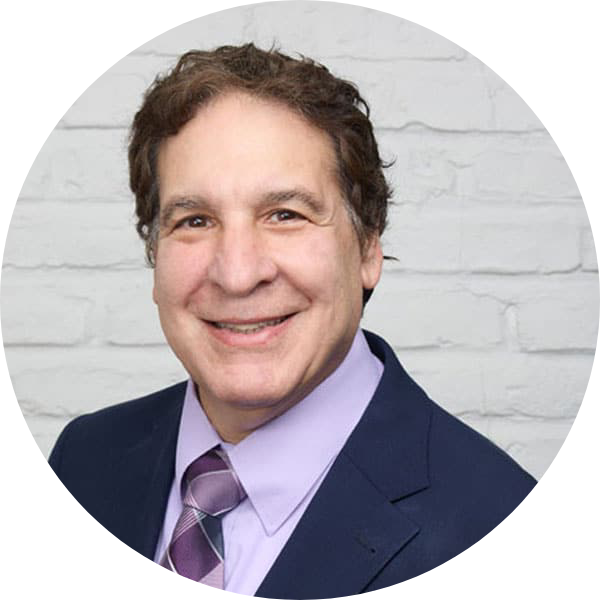
David Sietz, M.D.
Chief Medical Officer, Fusion Recovery
Email us or Call
Contact Form
"(Required)" indicates required fields