ALCOHOL USE DISORDER
Comprehensive Alcohol Addiction Treatment in Albany, NY

How Fusion Recovery Treats Alcoholism and Alcohol Use Disorder in New York
Alcoholism and Alcohol use disorder respond best to a combination of medical support and counseling, not willpower alone. At Fusion Recovery, your treatment plan is built around your specific history, health needs, and life circumstances. Here’s what that looks like from day one.
01.
Clinical Assessment
02.
Medically Supervised Detox Support
03.
Structured Outpatient Treatment
WHY FUSION RECOVERY
According to the National Survey on Drug Use and Health, nearly 15 million Americans aged 12 or older have been diagnosed with an alcohol use disorder. An estimated 95,000 people die from alcohol-related causes each year. Fusion Recovery is here to change that — one person at a time.
COMPREHENSIVE SUPPORT
Comprehensive Support for Every Stage of Recovery
01. Personalized Screening
Thorough Clinical Evaluation When you arrive at Fusion Recovery, you receive a full screening including a physical exam, addiction history, family history, and current symptom assessment to develop the right treatment plan.
02. Medical Detox
Safe, Supervised Withdrawal Withdrawing from alcohol alone can be dangerous. Our medical detox program helps alleviate withdrawal symptoms under professional supervision so you can stabilize safely.
03. MAT-Friendly Treatment
Medication-Assisted Care
Our program includes medication-assisted treatment with options like naltrexone to suppress cravings, supporting your recovery alongside counseling and therapy..
04. Sustained Recovery
Long-Term Aftercare Planning
We provide structured support, aftercare planning, and flexible outpatient options to help you maintain sobriety and build a strong foundation for lasting recovery.
A Complete Approach to Alcohol Treatment in Albany, NY
Medication-Assisted Treatment for Alcohol Addiction
Individual Alcohol Addiction Therapy
Group Therapy & Peer Support
Aftercare Planning
Why Choose Fusion Recovery for Alcohol Treatment?
Fusion Recovery is an OASAS-certified outpatient treatment provider in Albany, NY, with a track record of helping patients across the Capital Region achieve lasting recovery. Here’s what sets us apart:
- Personalized care from day one, no one-size-fits-all programming
- MAT-inclusive approach, naltrexone and Vivitrol available for alcohol use disorder
- Flexible outpatient scheduling, because life doesn’t stop during recovery
- Integrated counseling services, individual, group, and trauma-informed care
- Experienced clinical team, licensed professionals who specialize in substance use disorders
- Accessible location, central Albany-area facility with public transit access
We treat people, not just addictions. Recovery is possible, and it can start with a single call.
Does Insurance Cover Alcohol Addiction Treatment in New York?
LEVELS OF SEVERITY
Levels of Alcohol Use Disorder
01.
Risky Drinking
Involves binge drinking or heavy drinking. Binge drinking is classified as five or more drinks on a single occasion. Risky drinking can lead to alcohol abuse or dependence.
02.
Alcohol Abuse
Classified as continuing to drink regardless of social and health problems. Studies show 90% of people who abuse alcohol are not yet dependent, but the potential to become dependent is high.
03.
Alcohol Dependence
A chronic condition characterized by experiencing withdrawal symptoms if you stop drinking. People often continue to drink to alleviate unpleasant withdrawal symptoms.
HOW WE CAN HELP
Find Treatment for Alcohol Use Disorder
Withdrawing from alcohol alone can be scary and even dangerous. It is advised that you withdraw from alcohol under medical supervision and with medical detox. Fusion Recovery offers medical detox to help alleviate these symptoms. Once you have been stabilized through detox, you can begin our treatment program and start your recovery.

Screening
A full clinical screening including a physical exam, questions about your history with addiction, family history, past treatment, and current symptoms — helping us develop the right plan for you.

Treatment
Our program involves medical detox and medication-assisted treatment. Naltrexone may be used to suppress cravings. Once detox is complete, your focused treatment and recovery begins.

Recovery
Continuous treatment, therapy, and flexible outpatient options support your sustained sobriety. Your recovery is our priority — we ensure your treatment plan works for you.
Ready to Start? Talk to Our Team Today.
Frequently Asked Questions About Alcohol Addiction
01. Is alcohol addictive?
03. How long is alcohol rehab?
05. What are the signs of alcohol addiction?
07. Does Medicaid cover alcohol treatment?
09. Can family members be involved in the treatment process?
02. How can alcohol use disorder affect your health?
04. What is medication-assisted treatment for alcohol?
06. Is it dangerous to withdraw from alcohol alone?
08. What types of therapy are used in treatment?
10. What support is available after treatment?
01. Is alcohol addictive?
02. How can alcohol use disorder affect your health?
03. How long is alcohol rehab?
04. What is medication-assisted treatment for alcohol?
05. What are the signs of alcohol addiction?
06. Is it dangerous to withdraw from alcohol alone?
07. Does Medicaid cover alcohol treatment?
08. What types of therapy are used in treatment?
09. Can family members be involved in the treatment process?
10. What support is available after treatment?
UNDERSTANDING ALCOHOL USE DISORDER
What is Alcohol Use Disorder?
Alcohol dependence relies on multiple factors. These risk factors can be environmental, family-related, and behavioral. While these elements do not guarantee that use will lead to addiction, it is important to understand the signs of alcoholism, the risk factors, how they may lead to addiction, and the withdrawal symptoms involved.
There are several signs to look for if you believe you or a loved one has an alcohol use disorder — including excessive drinking, intense cravings, drinking in private, ignoring responsibilities, drinking first thing in the morning, and binge drinking.
Risks of Alcoholism
- Injury
- Alcohol poisoning
- Violence
- Liver cirrhosis
- Cancer
- Heart disease
- Memory loss
- Anxiety or depression
- Stroke or death
Withdrawal Symptoms
- Tremors
- Sweating
- High pulse rate
- Nausea or vomiting
- Insomnia
- Anxiety or depression
- Seizures
- Heart attack or stroke
- Hallucinations or grand mal seizures
Call us Today

If you’re ready, we’ll listen and help you explore treatment options without pressure.
If you’re ready, we’ll listen and help you explore treatment options without pressure.
Take the first step
Providing hope to all. Compassionate outpatient care for our community. Ready to talk?
Recovery begins when you reach out. Questions?
Call anytime to speak with an Admissions
Specialist, or request a consultation and we’ll follow up.
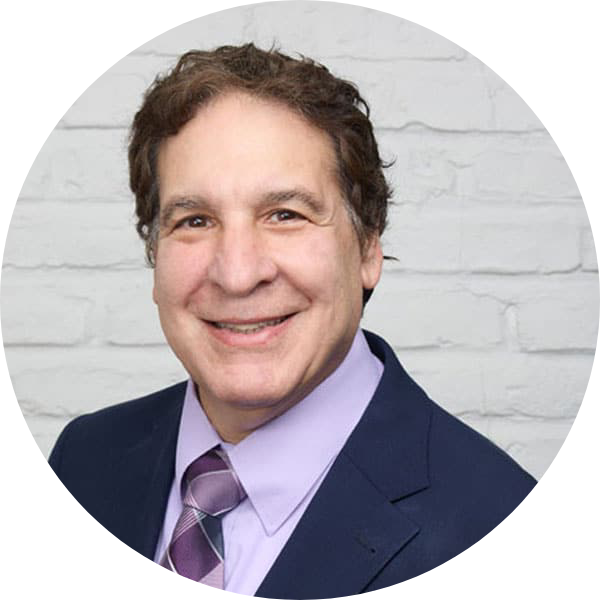
David Sietz, M.D.
Chief Medical Officer, Fusion Recovery
Email us or Call
Contact Form
"(Required)" indicates required fields