Individual Support for Drug & Alcohol Recovery
Individual Therapy for Addiction in Albany, NY
Recovery from addiction is not a one-size-fits-all process, and individual therapy reflects that reality. At Fusion Recovery Center in Albany, NY, individual therapy for addiction is a personalized, one-on-one clinical service that goes beyond the surface of substance use to address what’s actually driving it. Working with a licensed therapist, you’ll explore your history, identify the patterns and triggers that sustain your addiction, and build the coping skills and self-awareness that make lasting recovery possible. Individual therapy is where the most personal work of recovery happens, and it’s available at every level of care at Fusion Recovery.

What Is Individual Therapy for Addiction at Fusion Recovery?
Individual therapy is a structured, one-on-one therapeutic relationship between you and a licensed therapist, focused specifically on your addiction and the factors that contribute to it. Unlike group therapy, which offers the power of shared experience and peer accountability, individual therapy provides a private, dedicated space for the personal work that recovery requires: understanding your own history, working through co-occurring mental health conditions, processing difficult experiences, and building the specific skills your recovery needs.
At Fusion Recovery, individual therapy is integrated into every level of care. Whether you are in our Intensive Outpatient Program (IOP), standard outpatient treatment, or just starting to explore our treatment services, individual sessions with your therapist are a consistent and central part of your program, coordinated with your medication management and therapy plan.
Individual Therapy Approaches Used in Individual Sessions at Fusion Recovery
Fusion Recovery’s licensed therapists are trained in multiple evidence-based modalities and draw on the approach, or combination of approaches, that best fits each patient’s clinical needs and recovery goals. Sessions are tailored, not templated.
01.
Cognitive Behavioral Therapy (CBT)
CBT is one of the most extensively researched and clinically validated treatments for addiction. It works by helping you identify the thought patterns, beliefs, and behaviors that drive your substance use, and replace them with healthier responses. In your sessions, you’ll learn to recognize the self-defeating thoughts and emotional states that often precede use, understand the connections between your thoughts, feelings, and behaviors, and build practical coping strategies that hold up in real-life situations. The skills developed in CBT are transferable and lasting, they extend well beyond treatment into every area of your life.
02.
Dialectical Behavior Therapy (DBT)
DBT builds on the foundation of CBT with a specific focus on emotional regulation, distress tolerance, interpersonal effectiveness, and mindfulness. It is particularly valuable for patients whose addiction is tied to intense emotional states, impulsive behavior, or self-destructive patterns, and for those managing co-occurring conditions like depression, anxiety, borderline personality disorder, or PTSD. In DBT-informed individual sessions, you’ll learn to identify and verbalize your emotions, practice mindfulness, resolve conflict, and develop the skills to accept difficult situations without turning to substances for relief.
03.
Motivational Interviewing (MI)
Motivational interviewing is a collaborative, non-confrontational therapeutic approach designed to work with ambivalence rather than against it. Many people entering addiction treatment feel uncertain, conflicted, or not fully committed to change, and MI is specifically designed for that moment. Your therapist will help you explore your own reasons for change, identify what matters most to you, and strengthen your internal motivation to engage with treatment and pursue recovery. MI is especially valuable in early treatment and for patients who have experienced previous attempts at recovery without lasting results.
04.
Seeking Safety
Seeking Safety is an evidence-based therapeutic model specifically developed for individuals with co-occurring mental health and substance use disorders. It focuses on present-focused coping skills, helping patients establish safety in their relationships, thinking, behavior, and emotions before engaging in deeper trauma processing. It is one of several specialized therapeutic approaches available within Fusion Recovery’s individual therapy program for patients with complex co-occurring presentations.
The Benefits of Individual Counseling for Addiction in New York
Individual therapy delivers benefits that are both immediate and long-lasting, building the foundation of self-awareness, skill, and insight that recovery is built on:
Personalized attention to your specific history and needs
Every aspect of your individual therapy is tailored to you, your substance use history, your mental health, your goals, your pace. There is no generic protocol. Your therapist builds their approach around what you bring to each session.
A private space for the most personal work
Some things are better addressed one-on-one than in a group setting. Individual therapy provides the privacy and confidentiality for you to explore difficult experiences, uncomfortable emotions, and the deeper roots of your addiction without an audience.
Build practical, lasting coping skills
The coping strategies developed in individual therapy are practical, specific to your triggers and patterns, and designed to hold up in real life, not just in the therapy room. These are tools you take with you out of treatment.
Enhanced self-awareness and mindfulness
Understanding the why behind your addiction, the thoughts, emotions, and patterns that drive it, is one of the most powerful things individual therapy provides. Increased self-awareness gives you the ability to recognize warning signs, make different choices, and navigate recovery with clarity rather than confusion.
Stronger, healthier relationships
Addiction damages relationships. Individual therapy helps you understand your role in those dynamics, develop healthier communication patterns, and begin the work of rebuilding the connections that matter to you.
Greater accountability and goal-setting
Working with a consistent therapist creates a structure of accountability and a framework for setting and working toward meaningful goals, in recovery and in life beyond treatment.
Why Choose Fusion Recovery for Individual Therapy?
Choosing the right provider for individual therapy is one of the most important decisions in your recovery journey. At Fusion Recovery, every individual therapy session is conducted by a licensed therapist with specialized training in addiction treatment, bringing both the clinical credentials and the genuine commitment that effective therapy requires. Our therapists are trained across multiple evidence-based modalities including CBT, DBT, motivational interviewing, trauma-informed care, and Seeking Safety, drawing on whichever approach best fits you rather than applying a single template to everyone. What sets Fusion Recovery apart is that individual therapy doesn’t exist in isolation, it is fully coordinated with your MAT, group therapy, and every other element of your care plan, with your clinical team communicating across modalities to ensure consistency and meaningful progress throughout treatment.

Begin Individual Therapy at Fusion Recovery
If you’re ready to start individual therapy, or if you want to understand what the process looks like before making any decisions, our admissions team is here to help. No pressure, no judgment, just real answers and a clear path forward.
Frequently Asked Questions About Individual Therapy
01. What is individual therapy for addiction?
Individual therapy for addiction is a one-on-one therapeutic relationship between a patient and a licensed therapist, focused on understanding the root causes of substance use and building the skills needed for lasting recovery. At Fusion Recovery, individual therapy uses evidence-based modalities including CBT, DBT, motivational interviewing, and trauma-informed care — tailored to each patient’s specific history, needs, and goals.
03. What therapy approaches are used in individual sessions at Fusion Recovery?
Fusion Recovery’s therapists use CBT, DBT, motivational interviewing, trauma-informed care, and Seeking Safety — drawing on whichever approach or combination of approaches best fits each patient’s clinical needs. Sessions are personalized, not templated.
05. Can individual therapy treat both addiction and mental health at the same time?
Yes. Fusion Recovery’s individual therapy addresses co-occurring substance use disorders and mental health conditions simultaneously. CBT, DBT, and trauma-informed care are all validated for both addiction and conditions like depression, anxiety, PTSD, and bipolar disorder — and your therapist coordinates mental health treatment with your overall addiction care plan.
07. Is individual therapy available alongside MAT?
Yes. Individual therapy and medication-assisted treatment (MAT) are fully integrated at Fusion Recovery — your therapist and medical team coordinate closely to ensure both elements of your care are working together. Research consistently shows that MAT combined with counseling produces better outcomes than either alone.
09. What can I expect in my first individual therapy session?
Your first session is primarily an opportunity for your therapist to get to know you — your history with substance use, your current circumstances, your goals, and any concerns you have about the process. You set the pace, and your therapist is there to listen and begin building the therapeutic relationship that will anchor your recovery. It is not a test or an assessment — it is the beginning of a working relationship.
02. How is individual therapy different from group therapy?
Individual therapy provides a private, one-on-one setting tailored entirely to you, while group therapy adds the dimension of peer experience, shared accountability, and community. The two are complementary — individual therapy goes deeper on personal history and clinical needs, while group therapy builds the relational and behavioral skills recovery requires in the real world. Most patients at Fusion Recovery participate in both as part of their treatment plan.
04. What is the difference between CBT and DBT?
CBT (cognitive behavioral therapy) helps you identify and change the thought patterns and behaviors driving your addiction. DBT (dialectical behavior therapy) builds on that foundation with a specific focus on emotional regulation, distress tolerance, and mindfulness — particularly valuable for patients with intense emotional states or co-occurring conditions like PTSD or depression.
06. What is motivational interviewing and how is it used in addiction treatment?
Motivational interviewing (MI) is a collaborative, non-confrontational therapeutic approach that helps patients explore their own reasons for change and build the internal motivation to engage with treatment. It is particularly useful in early recovery or for patients who feel ambivalent about change. At Fusion Recovery, MI is used within individual therapy sessions as one of several evidence-based tools available to your therapist.
08. Who is individual therapy best suited for?
Individual therapy is appropriate for patients at any stage of recovery. It is particularly well-suited for patients with co-occurring mental health conditions, a history of trauma, complex clinical presentations, or a need for a private therapeutic space for the most personal aspects of their recovery work.
10. Does insurance cover individual therapy for addiction?
Yes. Most insurance plans, including Medicaid, cover individual therapy as part of substance use disorder treatment. Fusion Recovery accepts a wide range of insurance plans and can verify your specific benefits before your first appointment. Contact our admissions team to confirm your coverage.
01. What is individual therapy for addiction?
Individual therapy for addiction is a one-on-one therapeutic relationship between a patient and a licensed therapist, focused on understanding the root causes of substance use and building the skills needed for lasting recovery. At Fusion Recovery, individual therapy uses evidence-based modalities including CBT, DBT, motivational interviewing, and trauma-informed care — tailored to each patient’s specific history, needs, and goals.
02. How is individual therapy different from group therapy?
Individual therapy provides a private, one-on-one setting tailored entirely to you, while group therapy adds the dimension of peer experience, shared accountability, and community. The two are complementary — individual therapy goes deeper on personal history and clinical needs, while group therapy builds the relational and behavioral skills recovery requires in the real world. Most patients at Fusion Recovery participate in both as part of their treatment plan.
03. What therapy approaches are used in individual sessions at Fusion Recovery?
Fusion Recovery’s therapists use CBT, DBT, motivational interviewing, trauma-informed care, and Seeking Safety — drawing on whichever approach or combination of approaches best fits each patient’s clinical needs. Sessions are personalized, not templated.
04. What is the difference between CBT and DBT?
CBT (cognitive behavioral therapy) helps you identify and change the thought patterns and behaviors driving your addiction. DBT (dialectical behavior therapy) builds on that foundation with a specific focus on emotional regulation, distress tolerance, and mindfulness — particularly valuable for patients with intense emotional states or co-occurring conditions like PTSD or depression.
05. Can individual therapy treat both addiction and mental health at the same time?
Yes. Fusion Recovery’s individual therapy addresses co-occurring substance use disorders and mental health conditions simultaneously. CBT, DBT, and trauma-informed care are all validated for both addiction and conditions like depression, anxiety, PTSD, and bipolar disorder — and your therapist coordinates mental health treatment with your overall addiction care plan.
06. What is motivational interviewing and how is it used in addiction treatment?
Motivational interviewing (MI) is a collaborative, non-confrontational therapeutic approach that helps patients explore their own reasons for change and build the internal motivation to engage with treatment. It is particularly useful in early recovery or for patients who feel ambivalent about change. At Fusion Recovery, MI is used within individual therapy sessions as one of several evidence-based tools available to your therapist.
07. Is individual therapy available alongside MAT?
Yes. Individual therapy and medication-assisted treatment (MAT) are fully integrated at Fusion Recovery — your therapist and medical team coordinate closely to ensure both elements of your care are working together. Research consistently shows that MAT combined with counseling produces better outcomes than either alone.
08. Who is individual therapy best suited for?
Individual therapy is appropriate for patients at any stage of recovery. It is particularly well-suited for patients with co-occurring mental health conditions, a history of trauma, complex clinical presentations, or a need for a private therapeutic space for the most personal aspects of their recovery work.
09. What can I expect in my first individual therapy session?
Your first session is primarily an opportunity for your therapist to get to know you — your history with substance use, your current circumstances, your goals, and any concerns you have about the process. You set the pace, and your therapist is there to listen and begin building the therapeutic relationship that will anchor your recovery. It is not a test or an assessment — it is the beginning of a working relationship.
10. Does insurance cover individual therapy for addiction?
Yes. Most insurance plans, including Medicaid, cover individual therapy as part of substance use disorder treatment. Fusion Recovery accepts a wide range of insurance plans and can verify your specific benefits before your first appointment. Contact our admissions team to confirm your coverage.
If you’re ready, we’ll listen and help you explore treatment options without pressure.
Take the first step
Providing hope to all. Compassionate outpatient care for our community. Ready to talk?
Recovery begins when you reach out. Questions?
Call anytime to speak with an Admissions
Specialist, or request a consultation and we’ll follow up.
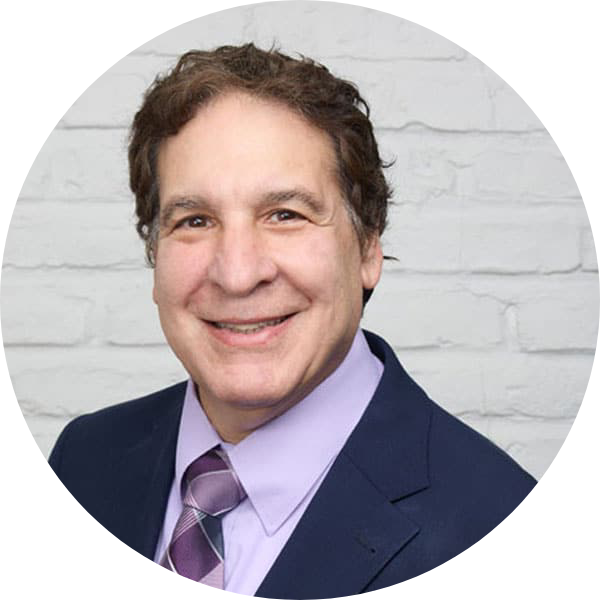
David Sietz, M.D.
Chief Medical Officer, Fusion Recovery
Email us or Call
Contact Form
"(Required)" indicates required fields