Benzodiazepine Addiction Treatment in Albany, NY
Benzodiazepine dependency is one of the most clinically complex addictions to treat, not because recovery isn’t possible, but because the withdrawal process requires careful, expert management that can’t be rushed. If you or someone you love is struggling to stop using benzos, you already know that “just stopping” isn’t an option. At Fusion Recovery Center in Albany, NY, we provide structured, compassionate benzodiazepine addiction treatment built around medically coordinated tapering, evidence-based counseling, and outpatient programming designed to support you through every stage of recovery.

How Fusion Recovery Treats Benzodiazepine Addiction
Benzo dependency develops differently from other substance use disorders, and treatment has to account for that. The path forward is methodical, medically supervised, and supported by clinical care that addresses both the physical dependence and the underlying reasons for use. Here’s what that process looks like at Fusion Recovery.
Clinical Assessment
Your treatment begins with a comprehensive evaluation. Our clinical team takes time to understand your full picture: which benzodiazepine you’ve been using, how long and at what dose, any prior attempts to stop, your current physical and mental health, and the circumstances of your daily life. Because benzo dependency often develops in the context of anxiety, sleep disorders, or trauma, this assessment looks beyond the substance itself to understand the whole person.
This evaluation is the foundation for a treatment plan tailored specifically to you, not a generic protocol.
Medically Coordinated Tapering & Stabilization
Abruptly stopping benzodiazepines can be medically dangerous, in some cases, more so than withdrawal from other substances. Seizures, severe anxiety, and other serious complications are real risks for individuals with significant benzo dependency, which is why Fusion Recovery coordinates medically supervised tapering as the first stage of treatment.
Rather than stopping cold turkey, a gradual taper allows your body to adjust slowly and safely, minimizing the intensity of withdrawal and reducing the risk of serious complications. Our team works closely with medical providers to oversee this process, monitor your progress, and adjust the approach based on how your body responds.
This phase takes the time it needs to take, and we’ll be with you through all of it.
Structured Outpatient Treatment
Once you’ve stabilized, active treatment begins. Fusion Recovery offers flexible outpatient programming and an Intensive Outpatient Program (IOP), providing structured clinical care while allowing you to maintain your work schedule, family responsibilities, and daily life. Your treatment team stays actively engaged throughout, monitoring your progress and refining your plan as your recovery develops.
IOP is particularly well-suited to benzo recovery because it provides the frequency of clinical contact that early recovery requires without inpatient admission, a meaningful consideration for many patients managing anxiety disorders or other co-occurring conditions alongside their dependency.

Clinical Assessment

Medically Coordinated Tapering & Stabilization

Structured Outpatient Treatment
Treatment That Works on Every Level in New York
Benzodiazepine dependency isn’t only physical, it’s deeply tied to how the brain has learned to manage stress, anxiety, and difficult emotions. Effective treatment services address all of that simultaneously. At Fusion Recovery, these tools work together so you’re supported on every level at once.
Cognitive Behavioral Therapy (CBT)
Dialectical Behavior Therapy (DBT)
Motivational Interviewing
Ambivalence about stopping benzodiazepines is common and understandable, especially when they were originally prescribed for a legitimate reason. Motivational interviewing meets you where you are, helping you explore your own reasons for change and build the internal motivation that sustains recovery over time. It’s a non-confrontational, collaborative approach that respects your autonomy throughout the process.
Trauma-Informed Care
For many patients, benzodiazepine use developed in the context of trauma, an attempt to manage anxiety, hypervigilance, or the emotional weight of difficult experiences. Fusion Recovery’s trauma-informed approach ensures that your treatment accounts for this, creating a safe clinical environment where underlying trauma can be addressed alongside the dependency itself.
Group Therapy & Peer Support
Group therapy provides accountability, community, and the experience of working through recovery alongside people who genuinely understand the process. For benzo recovery specifically, which can be a longer, more gradual journey than some other substance use disorders, peer connection and shared experience are especially valuable.
Aftercare Planning
Completing your program is a milestone, not an endpoint. Before you finish treatment at Fusion Recovery, we build a structured aftercare plan with you, continued outpatient support, community resources, and a concrete roadmap for managing the challenges that arise after active treatment ends. The goal is long-term stability, not just getting through the program.
Who We Treat: Benzodiazepine Addiction Across All Ages
Benzodiazepine dependency affects people across every stage of life, and treatment needs to reflect those differences. At Fusion Recovery, we work with patients across age groups, with care tailored to the specific clinical and personal context each person brings.
Adults
Most of our benzo patients are adults, many of whom began using benzodiazepines as prescribed medications for anxiety, insomnia, or panic disorder and found themselves dependent over time. Our program recognizes the particular complexity of prescription-origin dependency and approaches it with compassion and without judgment.
Adolescents & Young Adults
Teen and young adult benzodiazepine dependency often involves a mix of prescription misuse and recreational use, sometimes alongside other substances. For adolescent patients, treatment at Fusion Recovery incorporates age-appropriate counseling, family involvement where appropriate, and care that accounts for the developmental context of younger patients.
If you’re a parent or guardian seeking help for a young person, our team can walk you through the options and what treatment looks like at Fusion Recovery.
Why Choose Fusion Recovery for Benzo Treatment?
Fusion Recovery is an OASAS-certified outpatient treatment provider in Albany, NY, with deep clinical experience in benzodiazepine dependency, one of the most complex and often underestimated forms of substance use disorder. Here’s what sets our approach apart:
Treatment services typically covered
- Medically coordinated tapering, safe, supervised stabilization from day one
- Evidence-based counseling, CBT, DBT, motivational interviewing, and trauma-informed care
- Flexible outpatient scheduling, IOP and outpatient options built around your life
- Co-occurring disorder treatment, addressing anxiety, trauma, and mental health alongside the dependency
- Non-judgmental, compassionate environment, many benzo patients carry significant shame; we leave that at the door
- Accessible Albany-area location, public transit accessible, flexible hours
Does Insurance Cover Benzodiazepine Addiction Treatment in New York?

Ready to Start Your Recovery?
Frequently Asked Questions About Benzodiazepine Recovery
01. What are benzodiazepines?
03. What are the signs of benzodiazepine addiction?
05. What are benzodiazepine withdrawal symptoms?
Withdrawal symptoms include headaches, muscle twitching, dizziness, nausea and stomach pains, irritability, delusions and paranoia, and seizures. The severity depends on the duration and dosage of use.
07. What treatment options are available for benzo addiction?
09. Does insurance cover benzodiazepine treatment?
02. Are benzodiazepines addictive?
04. Is benzodiazepine withdrawal dangerous?
06. Can you overdose on benzodiazepines?
08. How long does benzodiazepine treatment take?
10. What support is available after completing treatment?
01. Is Fusion Recovery in-network with Oscar?
02. Are benzodiazepines addictive?
03. What are the signs of benzodiazepine addiction?
04. Is benzodiazepine withdrawal dangerous?
05. What are benzodiazepine withdrawal symptoms?
Withdrawal symptoms include headaches, muscle twitching, dizziness, nausea and stomach pains, irritability, delusions and paranoia, and seizures. The severity depends on the duration and dosage of use.
06. Can you overdose on benzodiazepines?
Yes, taking a large amount of benzos can cause an overdose. Benzodiazepines can slow your breathing and heart rate until they stop completely, potentially leading to death. The risk is significantly higher when combined with alcohol or opioids.
07. What treatment options are available for benzo addiction?
Fusion Recovery offers medically supervised tapering, medication-assisted treatment, individual and group therapy, cognitive-behavioral approaches, and structured aftercare. Treatment plans are personalized based on your specific history and needs.
08. How long does benzodiazepine treatment take?
Treatment length varies depending on the individual, the specific benzodiazepine, duration of use, and dosage. Tapering must be done gradually to avoid dangerous withdrawal symptoms. Programs can range from several weeks to several months.
09. Does insurance cover benzodiazepine treatment?
10. What support is available after completing treatment?
Fusion Recovery provides aftercare planning, continued outpatient support, and access to community resources. Our goal is to help you maintain long-term sobriety, develop healthy coping strategies, and achieve meaningful progress beyond your initial treatment.
If you’re ready, we’ll listen and help you explore treatment options without pressure.
If you’re ready, we’ll listen and help you explore treatment options without pressure.
Take the first step
Providing hope to all. Compassionate outpatient care for our community. Ready to talk?
Recovery begins when you reach out. Questions?
Call anytime to speak with an Admissions
Specialist, or request a consultation and we’ll follow up.
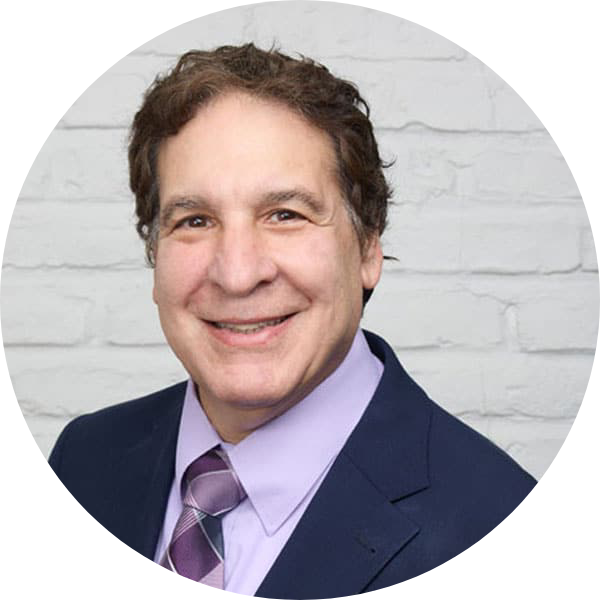
David Sietz, M.D.
Chief Medical Officer, Fusion Recovery
Email us or Call
Contact Form
"(Required)" indicates required fields