Group Powered Recovery
Group Therapy for Addiction in Albany, NY
Addiction is isolating by nature and recovery is stronger when you don’t have to do it alone. At Fusion Recovery Center in Albany, NY, group therapy for addiction is a structured, therapist-led clinical service that connects you with peers who genuinely understand what you’re going through. Guided by licensed clinicians, our group sessions build the coping skills, accountability, and community that research consistently shows improve long-term recovery outcomes. Whether you’re early in treatment or working to sustain sobriety, group therapy offers something that no other format can: the experience of being understood by people who’ve lived it too.

What Is Group Therapy for Addiction at Fusion Recovery?
Group therapy is a clinically structured form of addiction counseling in which a licensed therapist facilitates sessions with a small group of patients working through recovery together. It is not a peer-led meeting, it is a professionally guided therapeutic session. Trained clinicians direct each meeting, manage the group dynamics, and ensure every session is productive, safe, and clinically grounded.
At Fusion Recovery, group therapy is a core component of our Intensive Outpatient Program (IOP) and treatment services as a whole, integrated into the weekly schedule alongside individual therapy, medication management where applicable, and skills-based programming. Sessions are kept intentionally small to ensure every participant has space to engage, share, and be heard.
The Benefits of Group Therapy for Addiction Recovery in New York
Group therapy delivers clinical benefits that are distinct from, and complementary to, individual therapy. Research consistently supports group-based treatment as one of the most effective components of addiction recovery, particularly for building the relational and behavioral skills that sustain sobriety outside of treatment.
Peer support and shared experience
One of the most powerful aspects of group therapy is the recognition that you are not alone. Hearing from others who have faced the same struggles, and who are moving through recovery, reduces the isolation that often accompanies addiction and builds a foundation of genuine mutual understanding. This is qualitatively different from what a therapist alone can provide.
Accountability
Group members develop a sense of responsibility to one another over the course of treatment. Showing up, being honest, and following through on commitments within the group creates a structure of accountability that strengthens recovery motivation and makes it harder to disengage from the process.
Multiple perspectives on common challenges
Recovery challenges look different from different angles. Hearing how other group members navigate cravings, stress, relationships, and triggers expands your own toolkit, offering approaches and insights that your individual therapy sessions alone may not surface. Problem-solving becomes a shared resource rather than a solitary effort.
Improved communication and relationship skills
Addiction often damages communication patterns and relationships. Group therapy provides a structured, low-stakes environment to practice honest communication, receive and give feedback, and rebuild the interpersonal skills that support healthier relationships in recovery.
Increased self-awareness
Sharing your experiences with others, and hearing how they resonate or differ, builds self-awareness in a way that private reflection often cannot. Group members frequently report that the act of articulating their experiences to others clarifies their own understanding of their addiction and recovery.
A sense of hope
Seeing others progress in recovery, particularly those who started where you are now, is one of the most meaningful sources of hope available in treatment. Group therapy makes recovery tangible: not an abstract goal, but something real people are building in real time.
What Group Therapy Looks Like at Fusion Recovery
Therapist-led sessions
Every group session at Fusion Recovery is facilitated by a licensed therapist. Our clinicians are trained in group dynamics and evidence-based group treatment modalities, ensuring that sessions are structured, purposeful, and clinically effective, not open-ended conversations without direction.
Evidence-based content
Group sessions at Fusion Recovery incorporate cognitive behavioral therapy (CBT) principles, skills-based content from dialectical behavior therapy (DBT), motivational enhancement, and relapse prevention planning. Sessions are designed to build practical skills alongside peer connection, you leave each session with something you can apply.
Small group format
Group sessions are intentionally small, ensuring that every participant has genuine space to engage. Smaller groups also allow the therapist to attend to individual needs within the group context, something that larger groups often cannot provide.
Confidentiality
All group sessions at Fusion Recovery are conducted under strict confidentiality requirements. Our licensed therapists are bound by professional confidentiality standards, and group norms around privacy are established and reinforced from the first session. We are committed to creating an environment where participants feel safe to be honest.
The Breakfast Group
Fusion Recovery’s Breakfast Group, held Tuesday and Thursday mornings, is one of our most valued group therapy offerings. It provides a consistent, community-centered space for patients to connect, share, and support one another at the start of the day. For many patients, the Breakfast Group becomes one of the most meaningful parts of their treatment experience.
Why Choose Fusion Recovery for Group Therapy in New York?
Licensed, experienced group therapists
Every group session at Fusion Recovery is facilitated by a licensed clinician with specialized training in group therapy for addiction. Our therapists bring both clinical expertise and genuine commitment to the people in their groups.
Integrated into your full treatment plan
Group therapy at Fusion Recovery doesn’t happen in isolation, it is coordinated with your individual therapy, medication management, and the rest of your treatment plan. Your clinical team communicates across modalities to ensure consistency and progress.
Evidence-based approach
CBT, DBT, motivational interviewing, and relapse prevention are the clinical foundations of group work at Fusion Recovery, approaches with strong evidence bases for both addiction and co-occurring mental health treatment.
A non-judgmental, safe environment
Many patients are apprehensive about group therapy before they start, concerned about opening up to strangers or being judged for their history. Fusion Recovery’s clinical culture is built on respect, confidentiality, and the understanding that every person in the room is working toward the same goal. That culture is established and maintained by our therapists from the very first session.
OASAS-certified, Albany-area provider
Fusion Recovery is an OASAS-certified outpatient treatment provider located in Menands, NY, accessible from Albany, Schenectady, Troy, Clifton Park, Saratoga Springs, and across the Capital Region.

Start Group Therapy at Fusion Recovery
If you’re ready to explore group therapy as part of your recovery, or if you want to understand what it looks like before making any decisions, our admissions team is here to answer your questions without pressure.
Frequently Asked Group Therapy Questions
01. What is group therapy for addiction?
Group therapy for addiction is a clinically structured therapeutic service in which a licensed therapist facilitates sessions with a small group of patients in recovery. Unlike peer support groups, group therapy is professionally led with evidence-based content designed to build coping skills, accountability, and peer connection. At Fusion Recovery, group therapy is a core component of IOP and outpatient treatment.
03. What happens in a group therapy session at Fusion Recovery?
Group sessions at Fusion Recovery are facilitated by a licensed therapist and incorporate evidence-based content from CBT, DBT, and relapse prevention frameworks. Sessions are kept small to ensure every participant has space to engage. Content varies by session and is adapted to the needs of the group, but always includes skills-building alongside peer discussion and support.
05. What if I'm nervous about group therapy?
It’s completely normal to feel apprehensive before your first group session. Many patients share that concern before they start, and most find that the reality of group therapy is far less intimidating than they expected. Fusion Recovery’s therapists are skilled at creating a safe, welcoming group environment, and the pace of participation is always respectful of where each person is.
07. How many people are in a group therapy session?
Group sessions at Fusion Recovery are kept intentionally small to ensure every participant has genuine space to engage and be heard. Smaller group sizes also allow the therapist to attend to individual needs within the group context, something larger groups often cannot provide.
09. Can group therapy help with co-occurring mental health conditions?
Yes. CBT and DBT-based group therapy is highly effective for co-occurring conditions including depression, anxiety, and PTSD. At Fusion Recovery, group therapy is integrated with the broader co-occurring disorder treatment approach, addressing both addiction and mental health simultaneously within the group setting.
02. Is group therapy effective for addiction?
Yes, group therapy is one of the most consistently evidence-supported components of addiction treatment. Research shows that group-based treatment improves treatment retention, builds coping skills, reduces isolation, and provides accountability structures that support long-term recovery. At Fusion Recovery, group therapy is integrated with individual therapy and other treatment modalities for maximum clinical impact.
04. Is group therapy confidential?
Yes. All group sessions at Fusion Recovery are conducted under confidentiality requirements. Our licensed therapists are professionally bound by confidentiality standards, and group confidentiality norms are established and reinforced from the first session. We are committed to maintaining an environment where participants feel safe to be honest.
06. How is group therapy different from individual therapy?
Individual therapy provides one-on-one sessions tailored entirely to you, while group therapy adds the dimension of peer experience, shared accountability, and community. The two are complementary, individual therapy goes deeper on personal history and clinical needs, while group therapy builds the relational and behavioral skills that recovery requires in the real world. Most patients in Fusion Recovery’s programs receive both.
08. What is the Breakfast Group at Fusion Recovery?
The Breakfast Group is a therapist-facilitated group therapy session held Tuesday and Thursday mornings at Fusion Recovery. It provides a consistent, community-centered space for patients to connect and support one another at the start of the day and is one of the most valued parts of the treatment experience for many patients.
10. Does insurance cover group therapy for addiction?
Yes. Most insurance plans, including Medicaid, cover group therapy as part of substance use disorder treatment. Fusion Recovery accepts a wide range of insurance plans and can verify your specific benefits before your first appointment. Contact our admissions team to confirm your coverage.
01. What is group therapy for addiction?
Group therapy for addiction is a clinically structured therapeutic service in which a licensed therapist facilitates sessions with a small group of patients in recovery. Unlike peer support groups, group therapy is professionally led with evidence-based content designed to build coping skills, accountability, and peer connection. At Fusion Recovery, group therapy is a core component of IOP and outpatient treatment.
02. Is group therapy effective for addiction?
Yes, group therapy is one of the most consistently evidence-supported components of addiction treatment. Research shows that group-based treatment improves treatment retention, builds coping skills, reduces isolation, and provides accountability structures that support long-term recovery. At Fusion Recovery, group therapy is integrated with individual therapy and other treatment modalities for maximum clinical impact.
03. What happens in a group therapy session at Fusion Recovery?
Group sessions at Fusion Recovery are facilitated by a licensed therapist and incorporate evidence-based content from CBT, DBT, and relapse prevention frameworks. Sessions are kept small to ensure every participant has space to engage. Content varies by session and is adapted to the needs of the group, but always includes skills-building alongside peer discussion and support.
04. Is group therapy confidential?
Yes. All group sessions at Fusion Recovery are conducted under confidentiality requirements. Our licensed therapists are professionally bound by confidentiality standards, and group confidentiality norms are established and reinforced from the first session. We are committed to maintaining an environment where participants feel safe to be honest.
05. What if I'm nervous about group therapy?
It’s completely normal to feel apprehensive before your first group session. Many patients share that concern before they start, and most find that the reality of group therapy is far less intimidating than they expected. Fusion Recovery’s therapists are skilled at creating a safe, welcoming group environment, and the pace of participation is always respectful of where each person is.
06. How is group therapy different from individual therapy?
Individual therapy provides one-on-one sessions tailored entirely to you, while group therapy adds the dimension of peer experience, shared accountability, and community. The two are complementary, individual therapy goes deeper on personal history and clinical needs, while group therapy builds the relational and behavioral skills that recovery requires in the real world. Most patients in Fusion Recovery’s programs receive both.
07. How many people are in a group therapy session?
Group sessions at Fusion Recovery are kept intentionally small to ensure every participant has genuine space to engage and be heard. Smaller group sizes also allow the therapist to attend to individual needs within the group context, something larger groups often cannot provide.
08. What is the Breakfast Group at Fusion Recovery?
The Breakfast Group is a therapist-facilitated group therapy session held Tuesday and Thursday mornings at Fusion Recovery. It provides a consistent, community-centered space for patients to connect and support one another at the start of the day and is one of the most valued parts of the treatment experience for many patients.
09. Can group therapy help with co-occurring mental health conditions?
Yes. CBT and DBT-based group therapy is highly effective for co-occurring conditions including depression, anxiety, and PTSD. At Fusion Recovery, group therapy is integrated with the broader co-occurring disorder treatment approach, addressing both addiction and mental health simultaneously within the group setting.
10. Does insurance cover group therapy for addiction?
Yes. Most insurance plans, including Medicaid, cover group therapy as part of substance use disorder treatment. Fusion Recovery accepts a wide range of insurance plans and can verify your specific benefits before your first appointment. Contact our admissions team to confirm your coverage.
If you’re ready, we’ll listen and help you explore treatment options without pressure.
Take the first step
Providing hope to all. Compassionate outpatient care for our community. Ready to talk?
Recovery begins when you reach out. Questions?
Call anytime to speak with an Admissions
Specialist, or request a consultation and we’ll follow up.
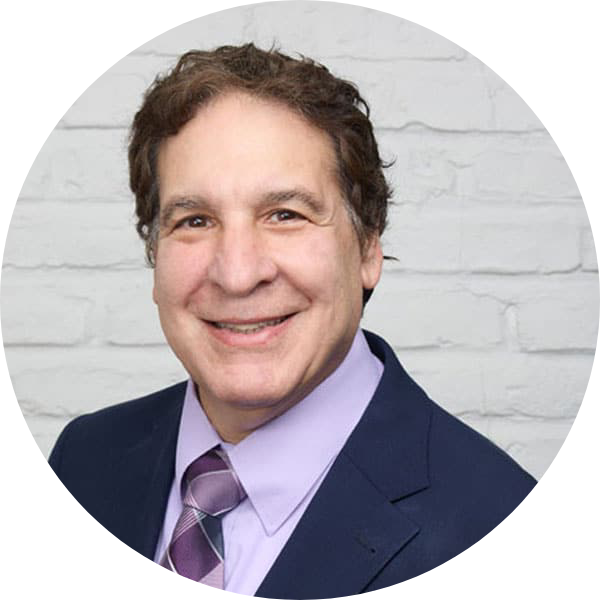
David Sietz, M.D.
Chief Medical Officer, Fusion Recovery
Email us or Call
Contact Form
"(Required)" indicates required fields