FENTANYL ADDICTION TREATMENT
Fentanyl Addiction Treatment in Albany, NY
If you or someone you love is struggling with fentanyl, you already know how different this is from other substances. Fentanyl’s potency makes dependency develop faster, withdrawal feel more intense, and the stakes of untreated addiction higher than almost any other opioid. But it’s also true that fentanyl addiction responds strongly to treatment and that the right clinical support can make recovery not just possible but sustainable. At Fusion Recovery Center in Albany, NY, we provide fentanyl addiction treatment built around the medications and therapies that evidence consistently supports, delivered with the compassion and urgency this moment calls for.

How Fusion Recovery Treats Fentanyl Addiction
Fentanyl addiction requires a MAT-first clinical approach. The intensity of fentanyl dependency and the risks associated with untreated withdrawal make medication not optional but essential to safe, effective treatment. Here’s how that process unfolds at Fusion Recovery.
01.
Clinical Assessment
Your treatment begins with a comprehensive evaluation. Our clinical team takes time to understand your full picture: your history with fentanyl and any other opioid use, previous treatment attempts, your current physical and mental health, and the circumstances of your daily life. Fentanyl use frequently co-occurs with depression, anxiety, trauma, and other mental health conditions, and your assessment surfaces those connections so treatment addresses the whole person, not just the substance.
02.
Medically Supervised Detox Support
03.
Structured Outpatient Treatment
Once you’ve stabilized, you move into active treatment: structured, flexible, and built around your schedule. Most patients participate in our outpatient programming or Intensive Outpatient Program (IOP), which means you can maintain work, family, and daily responsibilities while getting consistent clinical care. Your treatment team stays actively involved throughout, adjusting your plan as your recovery progresses.
Combined Addiction Treatment That Lasts for New Yorkers
Fentanyl addiction affects the brain, the body, and behavior, and effective treatment has to address all three simultaneously. At Fusion Recovery, medication, therapy, and structured programming work in parallel, so you’re supported at every level at once.
Medication-Assisted Treatment (MAT)
MAT is the clinical foundation of fentanyl addiction treatment and the approach most strongly supported by research for opioid use disorder. Fusion Recovery offers the full range of FDA-approved medications for fentanyl dependency, and your treatment team will work with you to identify which option best fits your history, health, and recovery goals. Our
MAT options for fentanyl addiction include:
- Methadone, A long-acting opioid agonist administered daily at our clinic. Methadone stabilizes opioid receptors, reducing withdrawal symptoms and cravings without the highs and lows of active use. It is one of the most extensively studied and effective treatments for opioid dependence and is available through Fusion Recovery’s OTP-certified program.
- Suboxone (buprenorphine/naloxone), A partial opioid agonist that reduces cravings and manages withdrawal symptoms. Taken as a daily sublingual film or tablet, Suboxone is widely used and highly effective for fentanyl dependence.
- Buprenorphine, The active component in Suboxone, sometimes prescribed independently. Partially activates opioid receptors to ease withdrawal and reduce use urges without producing a significant high.
- Sublocade (buprenorphine extended-release injection), A once-monthly injectable form of buprenorphine that removes the daily medication routine and reduces missed doses, a meaningful advantage for patients managing early recovery.
- Naltrexone (oral), Blocks opioid receptors entirely, preventing fentanyl from producing any effect. Most appropriate for patients who have fully completed detox and are opioid-free.
- Vivitrol (naltrexone extended-release injection), A once-monthly injectable form of naltrexone providing consistent opioid blockade without daily dosing, supporting longer-term relapse prevention.
MAT for fentanyl significantly reduces overdose risk, improves treatment retention, and creates the physiological stability that makes the behavioral and therapeutic work of recovery possible.
Individual Therapy
One-on-one sessions with a licensed counselor give you the space to work through the factors driving your fentanyl use, whether that’s physical pain, trauma, mental health, or behavioral patterns that developed over time. Individual therapy is where the deeper work of recovery happens, and it’s where the insights that sustain long-term sobriety are built.
Group Therapy & Peer Support
Group therapy connects you with others navigating recovery, building accountability, shared understanding, and a community that extends well beyond your time in the program. For fentanyl recovery in particular, where the isolation of active addiction runs deep, the connection built in group work can be one of the most meaningful parts of treatment.
Aftercare Planning
Before you complete your program at Fusion Recovery, we build a structured aftercare plan with you, continued outpatient support, community resources, and a concrete roadmap for managing the challenges that follow active treatment. Long-term stability is the goal, not just program completion.
Treating Fentanyl Addiction Across Age Groups
Adults
The majority of our fentanyl patients are adults whose opioid dependency developed through a range of pathways, prescription pain management, heroin use, or direct fentanyl exposure. Our outpatient programming is designed around the realities of adult life: flexible scheduling, practical skill-building, and treatment that accommodates your responsibilities while supporting your recovery.
Young Adults & Adolescents
Fentanyl exposure among teens and young adults is a growing concern, particularly given how widely fentanyl is now present in the illicit drug supply. For younger patients, treatment at Fusion Recovery incorporates age-appropriate counseling, family involvement where appropriate, and programming that accounts for the developmental context each young person brings. If you’re a parent or guardian seeking help for a young person, our admissions team can walk you through the options.
Why Choose Fusion Recovery for Fentanyl Treatment?
Fusion Recovery is an OASAS-certified, OTP-certified outpatient treatment provider in Albany, NY, with deep experience treating fentanyl and opioid use disorder. Here’s what defines our approach:
- Full MAT toolkit, methadone, Suboxone, Sublocade, buprenorphine, naltrexone, and Vivitrol, all available
- OTP certification, authorized to administer methadone as part of a comprehensive opioid treatment program
- Medically supervised detox coordination, safe stabilization from day one
- Integrated counseling, individual therapy, group therapy, and trauma-informed care
- Flexible outpatient scheduling, IOP and outpatient options built around your life
- Non-judgmental environment, compassionate care regardless of how you got here
- Accessible Albany-area location, public transit accessible, flexible hours
Fentanyl addiction is one of the most serious substance use disorders we treat and one of the most responsive to the right clinical approach. Recovery is possible. It can start today.
Does Insurance Cover Fentanyl Addiction Treatment in New York?
Most insurance plans, including Medicaid, Medicare, and many private insurers, cover fentanyl addiction treatment, including MAT medications like methadone, Suboxone, and Sublocade. Fusion Recovery accepts a wide range of insurance plans and can help you verify your benefits before your first appointment.

Begin Your Recovery Today
If you or someone you love is dealing with fentanyl dependency, please reach out. Our team is here to answer your questions, explain what treatment looks like, and help you take the next step, with urgency, compassion, and no judgment.
Frequently Asked Fentanyl Addiction Treatment Questions
01. What is fentanyl?
Fentanyl is an extremely potent synthetic opioid prescribed to treat severe pain. It is nearly 80 times more powerful than morphine and 50 times more potent than heroin. Both pharmaceutical and illicitly manufactured forms exist, with the latter responsible for most overdose deaths.
03. What are the signs of a fentanyl overdose?
Signs include extreme drowsiness, decreased motor function, nausea, pinpoint pupils, slowed or shallow breathing, choking sounds, limp body, loss of consciousness, and cold, clammy skin. If you notice any of these signs, seek medical help immediately.
05. What should I do if someone is overdosing on fentanyl?
Call 911 immediately, administer naloxone if available, keep the person awake and breathing, lay them on their side to prevent choking, and remain with them until medical help arrives.
07. What is medication-assisted treatment for fentanyl?
MAT uses FDA-approved medications like methadone, buprenorphine, and Suboxone alongside counseling and behavioral therapies. These medications help reduce cravings, manage withdrawal symptoms, and support sustained recovery from opioid dependence.
09. Does insurance cover fentanyl addiction treatment?
Yes, most insurance plans cover substance abuse treatment, including fentanyl addiction. Fusion Recovery accepts Medicaid, Medicare, and many major insurance providers. Contact us to verify your specific coverage and benefits.
02. Why is fentanyl so dangerous?
Fentanyl is dangerous because even a tiny amount, as little as 2 mg, can be fatal. Drug dealers often mix it into heroin, cocaine, and other street drugs without the user’s knowledge. You cannot see, taste, or smell fentanyl, making it extremely unpredictable.
04. What is naloxone (Narcan)?
Naloxone, or Narcan, is a medication that can reverse the effects of an opioid overdose, including fentanyl. It is available without a prescription at most pharmacies. If you are unsure whether someone is overdosing, it’s always safest to administer naloxone and call 911.
06. What treatment options are available for fentanyl addiction?
Fusion Recovery offers medically supervised detox, medication-assisted treatment (methadone, buprenorphine, Suboxone), individual and group therapy, trauma-informed care, and structured aftercare. Treatment plans are personalized to your needs.
08. How long does fentanyl treatment take?
Treatment length varies based on the individual, duration of use, dosage, and co-occurring conditions. Programs can range from several weeks to several months. Ongoing outpatient and aftercare support continue beyond initial treatment.
10. What support is available after completing treatment?
Fusion Recovery provides aftercare planning, continued outpatient and IOP support, and access to community resources. Our goal is to help you maintain long-term sobriety and achieve meaningful, lasting progress beyond your initial treatment.
01. What is fentanyl?
Fentanyl is an extremely potent synthetic opioid prescribed to treat severe pain. It is nearly 80 times more powerful than morphine and 50 times more potent than heroin. Both pharmaceutical and illicitly manufactured forms exist, with the latter responsible for most overdose deaths.
02. Why is fentanyl so dangerous?
Fentanyl is dangerous because even a tiny amount, as little as 2 mg, can be fatal. Drug dealers often mix it into heroin, cocaine, and other street drugs without the user’s knowledge. You cannot see, taste, or smell fentanyl, making it extremely unpredictable.
03. What are the signs of a fentanyl overdose?
Signs include extreme drowsiness, decreased motor function, nausea, pinpoint pupils, slowed or shallow breathing, choking sounds, limp body, loss of consciousness, and cold, clammy skin. If you notice any of these signs, seek medical help immediately.
04. What is naloxone (Narcan)?
Naloxone, or Narcan, is a medication that can reverse the effects of an opioid overdose, including fentanyl. It is available without a prescription at most pharmacies. If you are unsure whether someone is overdosing, it’s always safest to administer naloxone and call 911.
05. What should I do if someone is overdosing on fentanyl?
Call 911 immediately, administer naloxone if available, keep the person awake and breathing, lay them on their side to prevent choking, and remain with them until medical help arrives.
06. What treatment options are available for fentanyl addiction?
Fusion Recovery offers medically supervised detox, medication-assisted treatment (methadone, buprenorphine, Suboxone), individual and group therapy, trauma-informed care, and structured aftercare. Treatment plans are personalized to your needs.
07. What is medication-assisted treatment for fentanyl?
MAT uses FDA-approved medications like methadone, buprenorphine, and Suboxone alongside counseling and behavioral therapies. These medications help reduce cravings, manage withdrawal symptoms, and support sustained recovery from opioid dependence.
08. How long does fentanyl treatment take?
Treatment length varies based on the individual, duration of use, dosage, and co-occurring conditions. Programs can range from several weeks to several months. Ongoing outpatient and aftercare support continue beyond initial treatment.
09. Does insurance cover fentanyl addiction treatment?
Yes, most insurance plans cover substance abuse treatment, including fentanyl addiction. Fusion Recovery accepts Medicaid, Medicare, and many major insurance providers. Contact us to verify your specific coverage and benefits.
10. What support is available after completing treatment?
Fusion Recovery provides aftercare planning, continued outpatient and IOP support, and access to community resources. Our goal is to help you maintain long-term sobriety and achieve meaningful, lasting progress beyond your initial treatment.
WHY FUSION RECOVERY
COMPREHENSIVE SUPPORT
Comprehensive Support for Fentanyl Recovery
01. Medical Detox
Safe, Life-Saving Stabilization Fentanyl withdrawal is intensely uncomfortable and potentially dangerous. Our medical team provides 24/7 supervised detox to safely stabilize your condition and manage severe withdrawal symptoms.
02. Medication-Assisted Treatment
MAT-Friendly Environment Our program offers methadone, buprenorphine, and suboxone treatments to alleviate withdrawal, reduce cravings, and support a stable transition to recovery from fentanyl dependence.
03. Behavioral Therapy
Evidence-Based Counseling
Individual and group therapy, trauma-informed care, and cognitive-behavioral approaches address the root causes of opioid addiction and help build healthy coping strategies for long-term sobriety.
04. Aftercare & Outpatient
Long-Term Recovery Support
Structured aftercare planning, flexible outpatient and IOP options, and ongoing support help you maintain sobriety and build a strong foundation for a fentanyl-free life.
UNDERSTANDING FENTANYL
Why is Fentanyl so Dangerous?
In recent years, fentanyl has been responsible for accidental overdoses throughout the country. Fentanyl is an extremely potent opioid prescribed to treat severe pain. This substance is nearly 80 times more powerful than morphine and 50 times more potent than heroin, producing a high potential for addiction.
Substance dealers have begun mixing fentanyl with street drugs like heroin and cocaine to increase potency. This mixture often contains lethal doses of fentanyl that you cannot see, taste, or smell.
Call us Today

LETHAL DOSAGE
How Much Fentanyl Is Too Much?
01.
Pharmaceutical Fentanyl
02.
Illicitly Manufactured
03.
Fatal Dose: Just 2 mg
HOW WE CAN HELP
Recognizing & Responding to a Fentanyl Overdose
Recognizing the signs of a fentanyl overdose can save a life. A lethal overdose is due to the suppression of the respiratory system — fentanyl can stop you from breathing. The lack of oxygen can induce a coma and affect the heart, kidneys, and lungs.
Overdose Warning Signs
- Extreme drowsiness or dizziness
- Decreased motor function
- Nausea or vomiting
- Pinpoint or constricted pupils
- Slowed or shallow breathing
- Choking sounds
- Limp body
- Loss of consciousness
- Cold, clammy skin
What to Do During an Overdose
01. Call 911 immediately
02. If available, administer naloxone (Narcan)
03. Keep them awake and breathing
04. Lay the person on their side to prevent choking
05. Remain with them until medical help arrives
HOW WE CAN HELP
Find Treatment for Fentanyl Addiction
After an overdose, it is important to seek medical care immediately. If you or a loved one are struggling with drug addiction, Fusion Recovery is here to help. We have fentanyl addiction treatment options available, including medication-assisted treatment to help alleviate withdrawal symptoms and programs to get you on the road to recovery.
01.
Assessment
A comprehensive clinical evaluation including a physical exam, opioid use history, overdose history, and current symptoms to create a personalized detox and treatment plan.
02.
Treatment
03.
Recovery
Ready For A Change?
Our staff is here to help you during the most difficult times.
Call us Today
Frequently
Asked Questions
01. What is fentanyl?
Fentanyl is an extremely potent synthetic opioid prescribed to treat severe pain. It is nearly 80 times more powerful than morphine and 50 times more potent than heroin. Both pharmaceutical and illicitly manufactured forms exist, with the latter responsible for most overdose deaths.
02. Why is fentanyl so dangerous?
03. What are the signs of a fentanyl overdose?
04. What is naloxone (Narcan)?
05. What should I do if someone is overdosing on fentanyl?
06. What treatment options are available for fentanyl addiction?
07. What is medication-assisted treatment for fentanyl?
08. How long does fentanyl treatment take?
09. Does insurance cover fentanyl addiction treatment?
10. What support is available after completing treatment?
01. What is fentanyl?
Fentanyl is an extremely potent synthetic opioid prescribed to treat severe pain. It is nearly 80 times more powerful than morphine and 50 times more potent than heroin. Both pharmaceutical and illicitly manufactured forms exist, with the latter responsible for most overdose deaths.
03. What are the signs of a fentanyl overdose?
05. What should I do if someone is overdosing on fentanyl?
07. What is medication-assisted treatment for fentanyl?
09. Does insurance cover fentanyl addiction treatment?
02. Why is fentanyl so dangerous?
04. What is naloxone (Narcan)?
06. What treatment options are available for fentanyl addiction?
08. How long does fentanyl treatment take?
10. What support is available after completing treatment?
If you’re ready, we’ll listen and help you explore treatment options without pressure.
If you’re ready, we’ll listen and help you explore treatment options without pressure.
Take the first step
Providing hope to all. Compassionate outpatient care for our community. Ready to talk?
Recovery begins when you reach out. Questions?
Call anytime to speak with an Admissions
Specialist, or request a consultation and we’ll follow up.
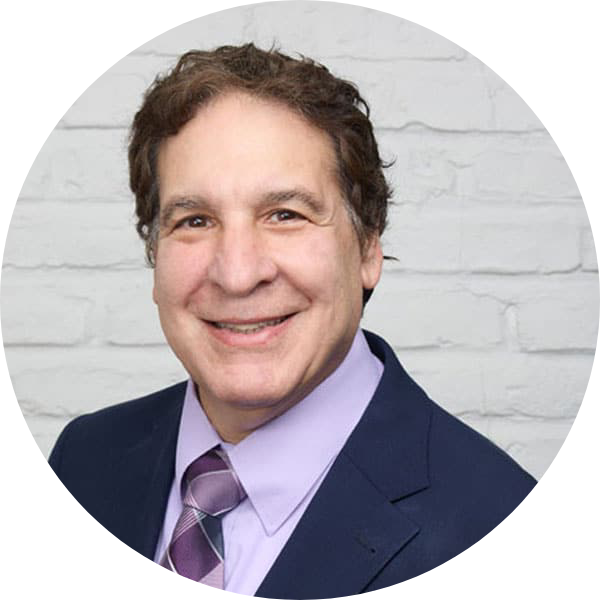
David Sietz, M.D.
Chief Medical Officer, Fusion Recovery
Email us or Call
Contact Form
"(Required)" indicates required fields