Evidence-Based Care
Medication-Assisted Treatment (MAT) in Albany, NY
Medication-Assisted Treatment is one of the most evidence-supported clinical approaches in addiction medicine, and at Fusion Recovery Center in Albany, NY, it is the clinical backbone of our opioid and alcohol treatment programs. MAT combines FDA-approved medications with counseling and behavioral therapies to address both the physical and psychological dimensions of addiction. It reduces cravings, eases withdrawal, significantly lowers overdose risk, and improves treatment retention, giving patients the physiological stability that makes the deeper work of recovery possible. If you or someone you love is struggling with opioid or alcohol use disorder, MAT may be the most important clinical tool available to support lasting recovery.

What Is Medication-Assisted Treatment at Fusion Recovery?
Is MAT Right for You?
MAT is most commonly indicated for:
- Opioid use disorder — including dependency on heroin, fentanyl, prescription opioids, and other opiates
- Alcohol use disorder — where FDA-approved medications reduce cravings and support sustained sobriety
- Patients transitioning from detox — where MAT bridges medical stabilization directly into active treatment
- Patients with a history of relapse — where the physiological support of MAT improves the odds of sustained recovery
- Patients at elevated overdose risk — where reducing cravings and blocking opioid effects directly saves lives
Your eligibility for MAT and which medication is most appropriate is determined through a comprehensive clinical evaluation. Fusion Recovery’s medical team works with each patient individually to identify the right medication, the right dosage, and the right combination of clinical support.
MAT Medications Available at Fusion Recovery
Fusion Recovery offers the full range of FDA-approved MAT medications for opioid and alcohol use disorder. Each works differently, and the right choice depends on your specific situation, substance use history, and recovery goals. Your clinical team will help determine which option is best suited to you.
Methadone
A long-acting opioid agonist administered daily at our OTP-certified clinic. Methadone stabilizes opioid receptors, reducing cravings and withdrawal symptoms without producing the intense highs and lows of active opioid use. Patients on methadone are four times more likely to remain in treatment. Available only through certified Opioid Treatment Programs (OTP), Fusion Recovery is OTP-certified.
Suboxone (Buprenorphine/Naloxone)
A partial opioid agonist taken as a daily sublingual film or tablet. Suboxone reduces cravings and manages withdrawal symptoms and is one of the most widely used and effective MAT options for opioid use disorder. The naloxone component helps deter misuse.
Buprenorphine
The active component in Suboxone, sometimes prescribed independently. Buprenorphine partially activates opioid receptors to ease withdrawal and reduce cravings without producing a significant high. Available in multiple formulations depending on clinical need.
Sublocade (Buprenorphine Extended-Release Injection)
As a once-monthly injectable form of buprenorphine, Sublocade removes the daily medication routine and reduces the risk of missed doses. A strong option for patients who want consistent medication coverage without daily administration.
Naltrexone (Oral)
An opioid antagonist that blocks opioid receptors entirely, naltrexone prevents opioids from producing any effect. Also FDA-approved for alcohol use disorder, where it reduces cravings and the rewarding effects of drinking. Most appropriate for patients who have fully completed detox and are opioid-free.
Vivitrol (Naltrexone Extended-Release Injection)
A once-monthly injectable form of naltrexone providing consistent opioid and alcohol receptor blockade without daily dosing. Vivitrol supports longer-term relapse prevention for both opioid and alcohol use disorder.
The Benefits of Medication-Assisted Treatment
MAT delivers measurable clinical benefits that extend well beyond the medications themselves:
Significantly reduced overdose risk
SAMHSA research shows MAT reduces opioid overdose deaths by more than 50%. For patients in active opioid use disorder, particularly those using fentanyl, this reduction in overdose risk is often the most immediate and life-saving benefit of treatment.
Improved treatment retention
Patients who receive MAT are significantly more likely to remain in treatment than those who attempt recovery without it. Higher retention means more time engaged in the counseling and behavioral work that builds lasting recovery.
Reduced cravings and withdrawal
By stabilizing brain chemistry or blocking substance effects, MAT medications dramatically reduce the intensity of cravings and withdrawal symptoms, removing the physiological barriers that make early recovery so difficult and relapse so common.
Better long-term recovery outcomes
MAT is associated with reduced illicit drug use, lower rates of criminal activity, improved employment outcomes, and better overall health, outcomes that reflect the real-world impact of stabilized recovery on a person’s life.
A foundation for the deeper work of recovery
MAT creates the physiological stability that makes individual therapy, group counseling, and skills-building more effective. It is not a replacement for the behavioral and psychological work of recovery, it is the clinical foundation that makes that work possible.

MAT at Fusion Recovery: More Than Medication
At Fusion Recovery, MAT is never administered in isolation. Every patient receiving MAT is also engaged in a comprehensive treatment plan that includes individual therapy, group counseling, and structured programming, because medication alone does not address the behavioral, psychological, and social dimensions of addiction.
Our board-certified physicians manage medication alongside our licensed therapists, ensuring that both the medical and clinical components of your care are coordinated from the same team. Your treatment plan is built around your complete picture, not just the substance you’ve been using.
Does Insurance Cover MAT in Albany, NY?
Yes. Most insurance plans, including Medicaid, Medicare, and many private insurers, cover MAT medications and the counseling services provided alongside them. Fusion Recovery accepts a wide range of insurance plans and can verify your benefits before your first appointment.

Start Medication-Assisted Treatment at Fusion Recovery
If you’re ready to explore medication-assisted treatment — or if you want to understand which medication might be right for your situation — our clinical team is here to help. We’ll walk you through your options, answer your questions, and help you take the next step.
Frequently Asked Questions About Cocaine Recovery
01. What is medication-assisted treatment (MAT)?
MAT is the use of FDA-approved medications combined with counseling and behavioral therapies to treat opioid and alcohol use disorders. At Fusion Recovery, MAT is integrated into a comprehensive treatment plan — not administered in isolation — and managed by board-certified physicians alongside licensed therapists.
03. What medications does Fusion Recovery offer for MAT?
Fusion Recovery offers methadone, Suboxone (buprenorphine/naloxone), buprenorphine, Sublocade (monthly buprenorphine injection), naltrexone (oral), and Vivitrol (monthly naltrexone injection). The right medication depends on your specific situation, substance use history, and recovery goals.
05. Does Fusion Recovery offer methadone?
Yes. Fusion Recovery is an OTP-certified provider authorized to administer methadone as part of a comprehensive opioid treatment program — one of the few outpatient providers in the Capital Region with this certification.
07. Is MAT available as part of IOP?
Yes. MAT is fully integrated into Fusion Recovery’s Intensive Outpatient Program (IOP) and outpatient programming — medication management is coordinated alongside individual therapy, group counseling, and all other treatment plan elements.
09. What is the difference between methadone and Suboxone?
Both are effective MAT options for opioid use disorder. Methadone is a full opioid agonist administered daily at an OTP-certified clinic; it has a longer track record and strong evidence base but requires daily clinic visits initially. Suboxone is a partial opioid agonist that can be prescribed for home use; it has a lower misuse potential than methadone due to the naloxone component. The right choice depends on your clinical history and needs — your treatment team will help you decide.
02. Is MAT just trading one addiction for another?
No. FDA-approved MAT medications are prescribed at therapeutic doses under medical supervision — stabilizing brain chemistry without producing the highs associated with illicit opioid use. Physical dependence on a medication taken as prescribed is clinically different from addiction. Research consistently shows MAT improves treatment retention, reduces overdose risk, and produces better long-term outcomes than recovery without medication support.
04. Is MAT available for alcohol use disorder?
Yes. Naltrexone and Vivitrol are both FDA-approved for alcohol use disorder and available at Fusion Recovery as part of a comprehensive alcohol treatment program.
06. How long does MAT last?
MAT duration varies by individual and medication. Some patients use MAT for months; others for years. The goal is long-term recovery stability, not a fixed timeline. Your clinical team will work with you to determine the appropriate duration and any tapering plan based on your progress and goals.
08. Does insurance cover medication-assisted treatment?
Yes. Most insurance plans, including Medicaid, cover MAT medications and related clinical services. Fusion Recovery accepts many insurance plans and can verify your specific benefits before your first appointment.
10. How do I start MAT at Fusion Recovery?
Contact our admissions team by phone or through our website. We’ll walk you through the intake process, conduct a comprehensive clinical evaluation, verify your insurance coverage, and begin building your personalized treatment plan — including which MAT medication is most appropriate for your situation.
01. What is medication-assisted treatment (MAT)?
MAT is the use of FDA-approved medications combined with counseling and behavioral therapies to treat opioid and alcohol use disorders. At Fusion Recovery, MAT is integrated into a comprehensive treatment plan — not administered in isolation — and managed by board-certified physicians alongside licensed therapists.
02. Is MAT just trading one addiction for another?
No. FDA-approved MAT medications are prescribed at therapeutic doses under medical supervision — stabilizing brain chemistry without producing the highs associated with illicit opioid use. Physical dependence on a medication taken as prescribed is clinically different from addiction. Research consistently shows MAT improves treatment retention, reduces overdose risk, and produces better long-term outcomes than recovery without medication support.
03. What medications does Fusion Recovery offer for MAT?
Fusion Recovery offers methadone, Suboxone (buprenorphine/naloxone), buprenorphine, Sublocade (monthly buprenorphine injection), naltrexone (oral), and Vivitrol (monthly naltrexone injection). The right medication depends on your specific situation, substance use history, and recovery goals.
04. Is MAT available for alcohol use disorder?
Yes. Naltrexone and Vivitrol are both FDA-approved for alcohol use disorder and available at Fusion Recovery as part of a comprehensive alcohol treatment program.
05. Does Fusion Recovery offer methadone?
Yes. Fusion Recovery is an OTP-certified provider authorized to administer methadone as part of a comprehensive opioid treatment program — one of the few outpatient providers in the Capital Region with this certification.
06. How long does MAT last?
MAT duration varies by individual and medication. Some patients use MAT for months; others for years. The goal is long-term recovery stability, not a fixed timeline. Your clinical team will work with you to determine the appropriate duration and any tapering plan based on your progress and goals.
07. Is MAT available as part of IOP?
Yes. MAT is fully integrated into Fusion Recovery’s Intensive Outpatient Program (IOP) and outpatient programming — medication management is coordinated alongside individual therapy, group counseling, and all other treatment plan elements.
08. Does insurance cover medication-assisted treatment?
Yes. Most insurance plans, including Medicaid, cover MAT medications and related clinical services. Fusion Recovery accepts many insurance plans and can verify your specific benefits before your first appointment.
09. What is the difference between methadone and Suboxone?
Both are effective MAT options for opioid use disorder. Methadone is a full opioid agonist administered daily at an OTP-certified clinic; it has a longer track record and strong evidence base but requires daily clinic visits initially. Suboxone is a partial opioid agonist that can be prescribed for home use; it has a lower misuse potential than methadone due to the naloxone component. The right choice depends on your clinical history and needs — your treatment team will help you decide.
10. How do I start MAT at Fusion Recovery?
Contact our admissions team by phone or through our website. We’ll walk you through the intake process, conduct a comprehensive clinical evaluation, verify your insurance coverage, and begin building your personalized treatment plan — including which MAT medication is most appropriate for your situation.
If you’re ready, we’ll listen and help you explore treatment options without pressure.
Take the first step
Providing hope to all. Compassionate outpatient care for our community. Ready to talk?
Recovery begins when you reach out. Questions?
Call anytime to speak with an Admissions
Specialist, or request a consultation and we’ll follow up.
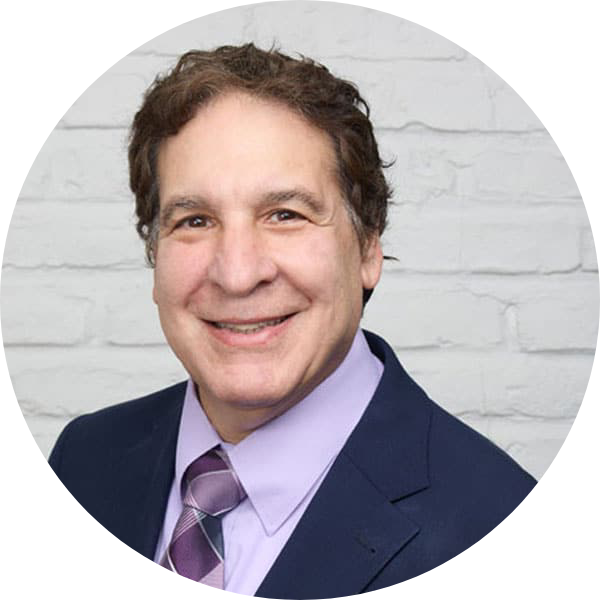
David Sietz, M.D.
Chief Medical Officer, Fusion Recovery
Email us or Call
Contact Form
"(Required)" indicates required fields