MEDICARE

Medicare Coverage for Addiction Treatment in Albany, NY

Don’t let insurance questions get in the way of recovery. At Fusion Recovery in Albany, NY, our admissions team will verify your Medicare benefits, walk you through what Original Medicare and Medicare Advantage actually cover for addiction treatment, and help you start the right level of care.
fentanyl

START HEALING TODAY

Personalized Outpatient Treatment for Older Adults in Albany

At Fusion Recovery, we understand the weight that addiction places on your life and the lives of those you love, and we recognize that older adults often face unique challenges around substance use, including the loss of loved ones, chronic pain, isolation, and complex prescription regimens. That’s why we offer personalized, compassionate outpatient addiction treatment built around your specific situation, your health needs, and your life.
As an outpatient rehab serving the Albany, NY region, we provide flexible scheduling so you can stay engaged with family, medical appointments, and other commitments while getting the help you deserve. Our team blends evidence-based therapies with medication-assisted treatment, clinical counseling, and support designed for adults navigating recovery later in life, including those balancing recovery with chronic conditions and multiple medications.
If you or someone you love is struggling, contact us today. Our admissions team will verify your Medicare benefits, walk you through your treatment options, and help you take the next step at no cost and with no pressure.

ABOUT MEDICARE

Understanding Medicare Coverage for Addiction Treatment

Medicare is the federal health insurance program that primarily covers Americans age 65 and older, along with younger people with qualifying disabilities and individuals with End-Stage Renal Disease. Substance use disorder coverage under Medicare has expanded significantly in recent years, especially with new rules that took effect on January 1, 2024.
Today, Medicare covers a comprehensive range of substance use disorder treatment services across its different parts. Original Medicare consists of Part A (hospital insurance) and Part B (medical insurance). Medicare Advantage (Part C) plans are offered by private insurers and bundle Part A, Part B, and usually Part D prescription drug coverage. Each component plays a different role in covering addiction treatment.
It’s worth noting that Medicare is not subject to the Mental Health Parity and Addiction Equity Act, which means Medicare’s utilization management and coverage rules for SUD can be more stringent than commercial insurance. However, recent expansions, including new IOP coverage and expanded provider eligibility, have meaningfully closed long-standing coverage gaps.
New York State Insurance Law also adds further protections for residents, including up to 28 days of inpatient substance use treatment at NY OASAS-licensed facilities for fully insured plans (which include Medicare Advantage products underwritten in New York) for members with a primary substance use disorder diagnosis.

HOW EACH PART OF MEDICARE HELPS

Medicare Part A, B, C, and D for Addiction Treatment

Medicare Part A, Hospital Insurance

Part A covers inpatient hospital stays, including medically necessary inpatient substance use disorder treatment in a general or psychiatric hospital. If inpatient SUD treatment is deemed reasonable and medically necessary, Medicare Part A covers it just as it would any other hospitalization, subject to the standard Part A deductible and coinsurance amounts. Important note: Medicare does not cover residential substance use treatment in standalone non-hospital facilities.

Medicare Part B, Medical Insurance

Part B covers a comprehensive range of outpatient mental health and substance use disorder services, including: In 2026, the standard Part B premium is approximately $202.90 per month and the annual deductible is $283. After meeting the deductible, you typically pay 20% of the Medicare-approved amount for most outpatient services.

Medicare Advantage (Part C)

Medicare Advantage plans must cover everything Original Medicare covers, but they’re administered by private insurers (often UnitedHealthcare, Humana, Aetna, Anthem/Elevance, Cigna, and others). Many MA plans include extra benefits, like routine dental, vision, hearing, fitness programs, and Part D drug coverage, but they also typically have provider networks and prior authorization rules that don’t apply to Original Medicare. Some areas offer Medicare Advantage Special Needs Plans (SNPs) specifically designed for individuals with chronic substance use disorders.

Medicare Part D, Prescription Drug Coverage

Part D covers prescription medications for substance use disorder treatment that are dispensed at retail pharmacies. This includes oral naltrexone, oral buprenorphine/naloxone (Suboxone), acamprosate (for alcohol use disorder), and other medications used in long-term recovery.

RECENT EXPANSIONS

What's New in Medicare's Addiction Coverage

Several major coverage expansions have taken effect under recent rules from the Centers for Medicare & Medicaid Services (CMS):
  • IOP coverage starting January 1, 2024: Medicare Part B now covers Intensive Outpatient Program services for individuals with mental health conditions or substance use disorders. IOP is for people who need a minimum of 9 hours of structured treatment per week (and up to 19 hours), filling a long-standing gap between standard outpatient care and partial hospitalization.
  • Expanded provider eligibility: As of January 1, 2024, licensed marriage and family therapists (LMFTs) and licensed mental health counselors (LMHCs) can enroll in Medicare and bill independently for SUD and mental health services, significantly expanding the pool of available providers.
  • Buprenorphine and methadone access: Medicare Part B continues to cover methadone delivered through Opioid Treatment Programs (OTPs), as well as office-based buprenorphine treatment, with recent rule updates further streamlining access.

OVERVIEW OF MEDICARE BENEFITS

What Medicare Covers at Fusion Recovery

Coverage details vary by your specific Medicare situation (Original Medicare alone, Original Medicare with a Medigap supplement, or Medicare Advantage). Most Medicare beneficiaries have access to a comprehensive range of substance use disorder services.

Treatment services typically covered

What Medicare doesn't cover

Medicare currently doesn’t cover residential substance use treatment in standalone (non-hospital) residential facilities. Legislation has been introduced in Congress to expand coverage in this area, but as of now, residential SUD treatment is generally not a covered Medicare benefit. Inpatient hospital-based treatment is covered under Part A when medically necessary.

Coverage details

Out-of-pocket costs depend on your Medicare situation. Original Medicare beneficiaries typically pay the standard Part A deductible per benefit period for hospital stays, the Part B annual deductible, and 20% coinsurance for most outpatient services. A Medigap (Medicare Supplement) policy can help cover those out-of-pocket costs. Medicare Advantage plans have their own copay and coinsurance structures, often with annual out-of-pocket maximums that don’t exist under Original Medicare. Members eligible for both Medicare and Medicaid (“dual eligibles”) generally have the lowest out-of-pocket costs.

Preauthorization requirements

Original Medicare typically does not require prior authorization for most SUD services. Medicare Advantage plans, however, often require prior authorization for IOP, PHP, inpatient stays, and certain MAT medications, and they may use clinical criteria (such as the Medicare Benefit Manual standards) to make medical necessity determinations. Fusion Recovery’s admissions team handles these authorizations on your behalf.

Call Now to Verify Your Coverage

HOW IT WORKS

How to Verify Your Medicare Benefits

Verification is fast, free, and fully confidential. Here’s how it works:

01.

Share your details

Call us at 1.866.936.2290 or fill out our contact form with your Medicare number (or Medicare Advantage member ID and group number) and any supplemental coverage you have, such as a Medigap policy or Medicaid (for dual-eligible beneficiaries).

02.

We verify your benefits

Our team contacts Medicare or your Medicare Advantage plan directly to confirm in-network status, deductibles, copays, prior authorization requirements, and what level of care is covered under your plan.

03.

We explain your options

We walk you through your benefits in plain language, outline any out-of-pocket costs, and recommend the level of care that fits your needs.

04.

You take the next step

When you’re ready, we schedule your clinical assessment and help you begin treatment, often the same day.

WHAT WE TREAT

Conditions We Treat at Fusion Recovery

Our Albany, NY treatment programs serve adults of all ages, including older adults navigating recovery, struggling with a wide range of substance use and co-occurring mental health conditions, including:

Ready to Take the First Step?

Recovery begins when you reach out. Our admissions team is available to verify your Medicare or Medicare Advantage coverage, walk you through your benefits, and help you start treatment in Albany, NY. Whatever your age and whatever your situation, it’s never too late to begin recovery. Call anytime.

Frequently Asked Questions

01. Is Fusion Recovery in-network with Medicare?
Fusion Recovery may accept Medicare for outpatient substance use disorder treatment in Albany, NY, and may participate with various Medicare Advantage plans serving the Capital Region. Network status varies by your specific plan, so we recommend calling our admissions team at 1.866.936.2290 to verify your benefits before starting treatment.
Yes. Methadone provided through certified Opioid Treatment Programs is covered under Medicare Part B. Office-based buprenorphine treatment (Suboxone) is also covered under Part B. Medicare Part D covers oral medications like buprenorphine/naloxone, naltrexone, and acamprosate. Long-acting injectables like Sublocade and Vivitrol are typically covered when administered in a clinical setting.
Effective January 1, 2024, Medicare Part B began covering Intensive Outpatient Program (IOP) services, closing a long-standing coverage gap between standard outpatient care and partial hospitalization. The same rule changes also allowed licensed marriage and family therapists (LMFTs) and licensed mental health counselors (LMHCs) to enroll in Medicare and bill independently, expanding the pool of providers who can serve Medicare beneficiaries.
Out-of-pocket costs depend on your Medicare situation. In 2026, the standard Part B premium is about $202.90 per month and the annual deductible is $283; after meeting the deductible, you typically pay 20% of the Medicare-approved amount for outpatient services. A Medigap (Medicare Supplement) policy can substantially reduce those costs. Medicare Advantage plans have their own copay structures and annual out-of-pocket maximums. Dual-eligible beneficiaries (those with both Medicare and Medicaid) generally have the lowest out-of-pocket costs. Our admissions team will give you a clear picture of expected costs before treatment begins.
Original Medicare (Parts A and B) generally allows you to see any Medicare-approved provider in the country, with limited prior authorization requirements but no out-of-pocket maximum. Medicare Advantage (Part C) plans usually have provider networks, may require prior authorization for higher levels of care, but typically include an annual out-of-pocket cap and additional benefits like Part D drug coverage and routine dental/vision care.
Medicare covers a comprehensive range of SUD services: inpatient hospital-based treatment (Part A), partial hospitalization programs, intensive outpatient programs (newly covered as of January 1, 2024), standard outpatient therapy, opioid treatment program services including methadone, office-based buprenorphine treatment, and SUD screening (all under Part B). Part D covers many SUD-related medications. Medicare Advantage plans must cover everything Original Medicare covers.
Currently, Medicare does not cover residential substance use treatment in standalone (non-hospital) residential facilities. Inpatient SUD treatment in a general or psychiatric hospital is covered under Part A when medically necessary. Legislation has been introduced in Congress to expand Medicare coverage to residential treatment, but as of now, that coverage gap remains.
Original Medicare typically does not require prior authorization for most SUD services. Medicare Advantage plans often require prior authorization for IOP, PHP, inpatient stays, and certain MAT medications. Our admissions team will check the requirements for your specific plan and handle any required authorizations on your behalf.
“Dual-eligible” beneficiaries, those with both Medicare and Medicaid, typically receive comprehensive substance use disorder coverage with very low or no out-of-pocket costs. Medicare pays first for covered services, and Medicaid often picks up the remaining cost-sharing. Some dual-eligibles enroll in Dual Special Needs Plans (D-SNPs), a type of Medicare Advantage plan specifically for people with both forms of coverage.
Don’t give up. Medicare has a five-level appeals process, starting with a redetermination, then reconsideration by a Qualified Independent Contractor, hearing before an Administrative Law Judge, review by the Medicare Appeals Council, and finally judicial review in federal court. Our admissions and clinical teams help guide you through that process. New York residents can also seek help through the State Health Insurance Assistance Program (SHIP), known in New York as HIICAP, for free counseling on Medicare appeals.
01. Is Fusion Recovery in-network with Medicare?
Fusion Recovery may accept Medicare for outpatient substance use disorder treatment in Albany, NY, and may participate with various Medicare Advantage plans serving the Capital Region. Network status varies by your specific plan, so we recommend calling our admissions team at 1.866.936.2290 to verify your benefits before starting treatment.
Medicare covers a comprehensive range of SUD services: inpatient hospital-based treatment (Part A), partial hospitalization programs, intensive outpatient programs (newly covered as of January 1, 2024), standard outpatient therapy, opioid treatment program services including methadone, office-based buprenorphine treatment, and SUD screening (all under Part B). Part D covers many SUD-related medications. Medicare Advantage plans must cover everything Original Medicare covers.
Yes. Methadone provided through certified Opioid Treatment Programs is covered under Medicare Part B. Office-based buprenorphine treatment (Suboxone) is also covered under Part B. Medicare Part D covers oral medications like buprenorphine/naloxone, naltrexone, and acamprosate. Long-acting injectables like Sublocade and Vivitrol are typically covered when administered in a clinical setting.
Currently, Medicare does not cover residential substance use treatment in standalone (non-hospital) residential facilities. Inpatient SUD treatment in a general or psychiatric hospital is covered under Part A when medically necessary. Legislation has been introduced in Congress to expand Medicare coverage to residential treatment, but as of now, that coverage gap remains.
Effective January 1, 2024, Medicare Part B began covering Intensive Outpatient Program (IOP) services, closing a long-standing coverage gap between standard outpatient care and partial hospitalization. The same rule changes also allowed licensed marriage and family therapists (LMFTs) and licensed mental health counselors (LMHCs) to enroll in Medicare and bill independently, expanding the pool of providers who can serve Medicare beneficiaries.
Original Medicare typically does not require prior authorization for most SUD services. Medicare Advantage plans often require prior authorization for IOP, PHP, inpatient stays, and certain MAT medications. Our admissions team will check the requirements for your specific plan and handle any required authorizations on your behalf.
Out-of-pocket costs depend on your Medicare situation. In 2026, the standard Part B premium is about $202.90 per month and the annual deductible is $283; after meeting the deductible, you typically pay 20% of the Medicare-approved amount for outpatient services. A Medigap (Medicare Supplement) policy can substantially reduce those costs. Medicare Advantage plans have their own copay structures and annual out-of-pocket maximums. Dual-eligible beneficiaries (those with both Medicare and Medicaid) generally have the lowest out-of-pocket costs. Our admissions team will give you a clear picture of expected costs before treatment begins.
“Dual-eligible” beneficiaries, those with both Medicare and Medicaid, typically receive comprehensive substance use disorder coverage with very low or no out-of-pocket costs. Medicare pays first for covered services, and Medicaid often picks up the remaining cost-sharing. Some dual-eligibles enroll in Dual Special Needs Plans (D-SNPs), a type of Medicare Advantage plan specifically for people with both forms of coverage.
Original Medicare (Parts A and B) generally allows you to see any Medicare-approved provider in the country, with limited prior authorization requirements but no out-of-pocket maximum. Medicare Advantage (Part C) plans usually have provider networks, may require prior authorization for higher levels of care, but typically include an annual out-of-pocket cap and additional benefits like Part D drug coverage and routine dental/vision care.
Don’t give up. Medicare has a five-level appeals process, starting with a redetermination, then reconsideration by a Qualified Independent Contractor, hearing before an Administrative Law Judge, review by the Medicare Appeals Council, and finally judicial review in federal court. Our admissions and clinical teams help guide you through that process. New York residents can also seek help through the State Health Insurance Assistance Program (SHIP), known in New York as HIICAP, for free counseling on Medicare appeals.
Disclaimer: The information provided on this website regarding insurance coverage is only a summary. It does not include all limitations, exclusions, or qualifiers that may apply to your actual coverage. Medicare premiums, deductibles, and coinsurance amounts are subject to change annually. Please refer to your Medicare Summary Notice or your Medicare Advantage plan's Evidence of Coverage for full details. Treatment services must be medically necessary to be covered. Any treatment decisions must be discussed with your health provider. We cannot guarantee any coverage or reimbursement. Please contact 1-800-MEDICARE or your Medicare Advantage plan directly for the most accurate information regarding your benefits.

Take the first step

Providing hope to all. Compassionate outpatient care for our community.
Ready to talk?

Recovery begins when you reach out. Questions?
Call anytime to speak with an Admissions
Specialist, or request a consultation and we’ll follow up.
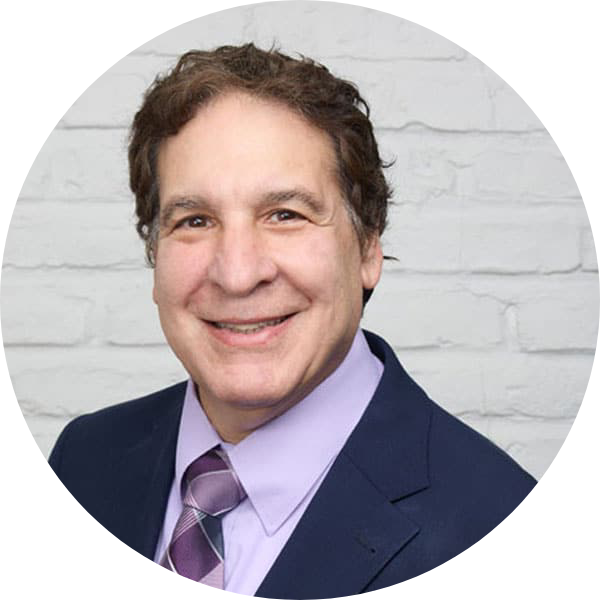
David Sietz, M.D.

Chief Medical Officer, Fusion Recovery

Email us or Call

Contact Form

"(Required)" indicates required fields

01. –– Your name(Required)

Medicare

Medicare Coverage for Addiction Treatment in Albany NY

Start Healing Today

At Fusion Recovery, we understand the difficulties that addiction can bring into your life. That’s why we offer personalized outpatient addiction treatment tailored to your unique needs. As an outpatient rehab facility, we provide flexible scheduling so you can continue your work, family life, and other commitments while getting the help you deserve.

Fusion Recovery proudly accepts Medicare coverage for addiction treatment services including outpatient rehab, therapy, medication-assisted treatment, and more. Our compassionate team of experts will verify your Medicare benefits, take care of claims, and make insurance processes smooth. More importantly, we’ll craft an individualized treatment plan using evidence-based therapies and holistic methods to facilitate your lifelong recovery.

With Fusion Recovery, you can find judgment-free support and healing in a comfortable environment. Our welcoming facility and amenities create a peaceful space for you to focus on your recovery journey. If you or a loved one is struggling with addiction, contact us today to learn more about Medicare coverage and how we can help you get your life back.

Start Treatment As Soon as Today ​

CALL NOW​

Overview of Medicare Benefits

Fusion Recovery is in-network with Medicare plans.

Treatment services covered

Medicare covers services like outpatient rehab, individual therapy, group therapy, medication management, and aftercare support. Our team can help verify your coverage and explain your options before starting treatment so you know what to expect.

Coverage details

Coverage details vary by individual Medicare plan. Out-of-pocket costs such as copays, deductibles, and coverage levels depend on your specific benefits. Our team can help verify your coverage and explain your options before starting treatment.

Preauthorization requirements

Prior authorization may be required for medication-assisted treatment and intensive outpatient programs. Fusion Recovery can assist with obtaining authorizations.

Safe and Effective

Verify Your Insurance Coverage.
Remember, the specifics of coverage can vary based on your individual plan and location. It’s always a good idea to confirm coverage with both your insurance provider and Fusion Recovery.

What We Treat

Alcohol Treatment

Alcohol is widely available, which can make harmful patterns harder to spot early.

Opiates Treatment

Often prescribed for pain, opiates carry a high risk of dependence.

Heroin Treatment

Heroin is a fast-acting opioid that can quickly reshape the brain and body.

Fentanyl Treatment

Fentanyl is a potent synthetic opioid linked to high overdose risk, even at small amounts.

Disclaimer: The information provided on this website regarding insurance coverage is only a summary. It does not include all limitations, exclusions, or qualifiers that may apply to your actual coverage. Please refer to your health plan’s Evidence of Coverage or Summary Plan Description for the full details and specifics of your benefits. Treatment services must be medically necessary to be covered by your health plan. Whether a treatment or service is medically necessary will be determined based on a review of clinical information provided by your provider. Any treatment decisions must be discussed and determined in conjunction with your health provider. We cannot guarantee any coverage or reimbursement. Please contact your health plan directly for the most accurate and up-to-date information regarding your benefits and coverage for addiction treatment services.


Take the first step

Providing hope to all. Compassionate outpatient care for our community.
Ready to talk?

Recovery begins when you reach out. Questions?
Call anytime to speak with an Admissions
Specialist, or request a consultation and we’ll follow up.

David Sietz, M.D.

Chief Medical Officer, Fusion Recovery

Email us or Call

Contact Form

"(Required)" indicates required fields

01. –– Your name(Required)
Scroll to Top
Privacy Overview
Fusion

This website uses cookies so that we can provide you with the best user experience possible. Cookie information is stored in your browser and performs functions such as recognising you when you return to our website and helping our team to understand which sections of the website you find most interesting and useful.

Strictly Necessary Cookies

Strictly Necessary Cookie should be enabled at all times so that we can save your preferences for cookie settings.