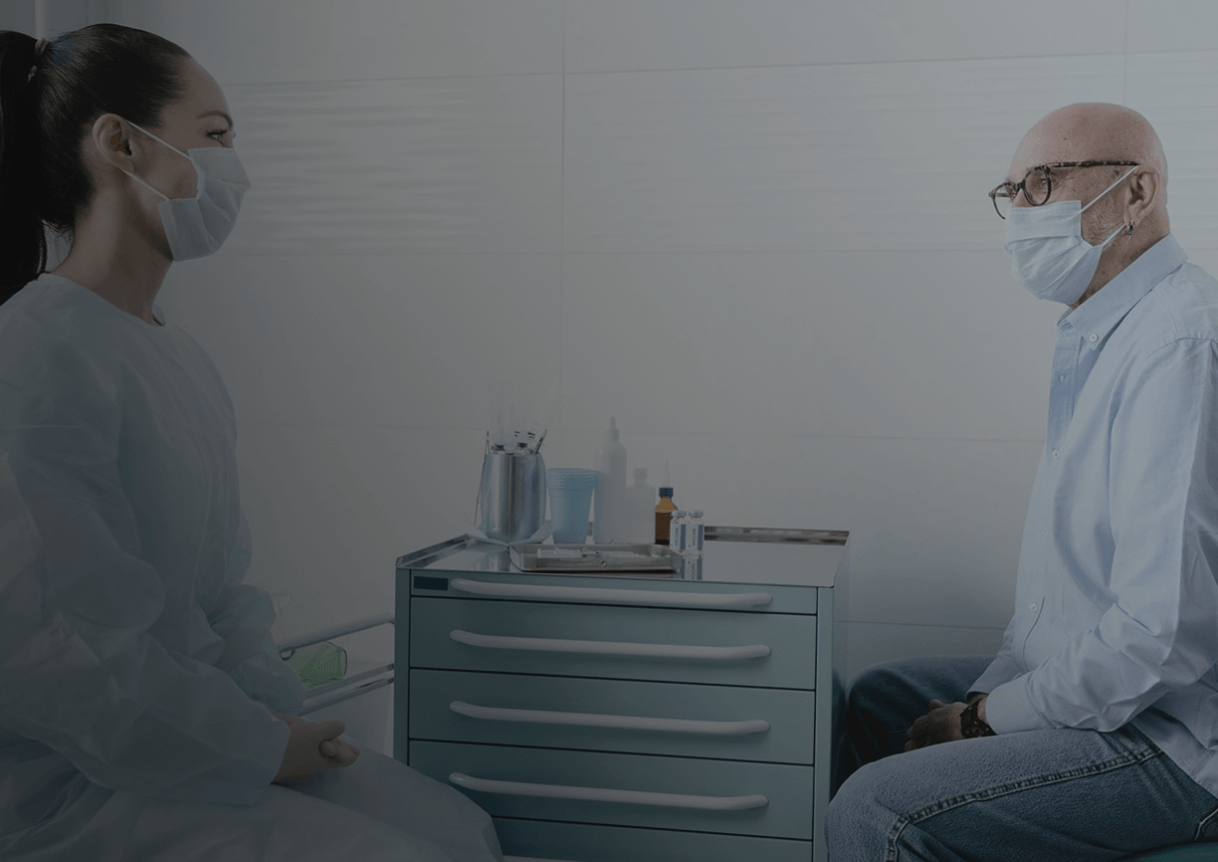
What to Expect from Outpatient Rehab
Are you feeling overwhelmed and unsure of what to expect with outpatient rehab for addiction? You’re not alone. Many people are unfamiliar with the process but have heard good things about these addiction recovery programs. Rewarding and life-changing outcomes are possible, but understanding how outpatient rehab works is key. Learn the primary aspects and benefits of outpatient rehab, as well as the main differences between outpatient and inpatient rehab, so you can make an informed decision about participating in this type of program.
What is outpatient rehab?
Outpatient rehabilitation, whether for alcohol or drug addiction, eating disorders, or another type of addiction, offers people a very different experience from inpatient care. Inpatient drug rehab requires someone to admit themselves, or be admitted, to a treatment facility where they live for the duration of treatment. Inpatient care is more intensive and provides 24-hour mental and physical support from staff.
Those who choose outpatient rehab, or who step down from an inpatient facility, will have a different experience. When someone enters outpatient rehab, whether it is a partial hospitalization program (PHP) or an intensive outpatient program (IOP), they have fewer restrictions and more freedom to continue some everyday activities outside of treatment and return home each evening.
Types of outpatient rehab
There are two main types of outpatient rehab that behavioral health professionals commonly recommend.
Partial Hospitalization Program
Partial hospitalization is one form of outpatient rehab for addiction. It is a step down from inpatient care and requires patients to attend at least five days a week for 5 to 6 hours a day. Therapists hold individual and group counseling sessions throughout the morning and afternoon, and sometimes into the evening, at a specific location. Additionally, patients receive regular checkups from doctors and, in some cases, a psychiatrist. There is a strong focus on reintegrating into society with the skills patients have learned and will continue to develop.
Intensive Outpatient Program
Intensive outpatient is a step further down the continuum of care. Patients in this type of outpatient rehab program attend treatment for about three hours and do not have to attend every day of the week. The idea is to gradually reduce support and allow patients to become more independent while readjusting to everyday life with continued guidance.
Think about treatment settings as a continuum of services. Some people do not get a choice between the two, as they may start at the inpatient level and work their way down to less restrictive settings according to their treatment plan. Occasionally, those in an outpatient setting need more support and are referred to inpatient care. Either way, both provide outstanding support for those struggling with addiction and mental health issues.
Benefits of outpatient rehab
Outpatient rehab helps those struggling with addiction in many ways. According to addiction experts with Alcoholics Anonymous, short- and long-term benefits include, but are not limited to:
- Reducing the likelihood of substance misuse and relapse
- Learning early recovery skills
- Learning beneficial coping skills
- Meeting peers who are going through a similar situation
- Building a long-lasting support system
- Practicing and implementing skills in home and community environments
Significant benefits include continuing therapeutic services, actively working through daily stressors and negative thoughts, and staying focused on family, friends, and work.
Conclusion
No one’s journey with addiction looks the same, so why should treatment? If you or a loved one is struggling with addiction and has already completed inpatient treatment, outpatient care might be the next step toward recovery. Outpatient rehab is also appropriate for those whose mental health and medical teams do not deem inpatient rehab necessary. Overall, outpatient rehab is a constructive step in the treatment process. If you want to learn more about outpatient rehab at Fusion Recovery, please contact us today.
How Long Does Outpatient Rehab Last?
For many people, addiction feels like an insurmountable mountain to climb. Some may wonder if rehabilitation could give them the necessary tools for lasting recovery and freedom from addiction. The truth is that outpatient rehab for substance abuse treatment can work, but how long does someone have to attend treatment?
The length of time one should realistically expect to commit to recovery is between one and three months. However, the total time in outpatient rehab varies depending on personal factors. It takes time to gain support through outpatient addiction counseling and move through the steps of recovery.
Outpatient rehab length of stay options
When someone is about to commit much of their time to recovery, many questions can run through their mind. There is much to consider, including costs, possible travel, setting aside work and family responsibilities, and insurance coverage. One major question is how much time medical and mental health staff recommend for outpatient rehab.
Generally, there are three options: a 30-day, 60-day, and 90-day outpatient rehab program. There is also aftercare, which might include sober living or a halfway house. If someone is court-ordered to attend rehab, the judge has the final say in how long treatment must occur. However, if someone is going straight into outpatient care or stepping down from inpatient care, there will be a recommended length of stay based on various factors.
Who determines outpatient rehab length of stay?
Typically, a medical doctor, psychiatrist, or other mental health professional who has consulted with and evaluated the potential patient recommends a length of time for treatment.
Outpatient rehab length of stay considerations
Outpatient rehab length of stay is not one-size-fits-all. Several factors can affect the time spent in treatment and the kind of care most beneficial to the individual patient.
- Severity of addiction
- Type of addiction
- Progress in therapy
- Co-occurring addictions
- Dual diagnosis
- Barriers to outside support
- Type of insurance and coverage
- Support system
- Relapse history
- Motivation and willingness
- Need for more support
Upon consultation, rehab staff will determine whether outpatient treatment is an appropriate fit by reviewing medical records, substance use history, and insurance coverage. From there, a recommended time frame can be discussed with the potential patient. The ultimate goal is to decide the length of stay that best meets each person’s needs.
Conclusion
Now that we’ve answered the question of how much time should be spent in outpatient addiction rehab, it’s important to remember that the length of stay depends on many factors and will look different for everyone. The most important thing is to get help if you need it and to reach out to a professional addiction treatment center, like Fusion Recovery, if you have any questions or need guidance in choosing the best path forward for your recovery. Contact us today to learn more about our outpatient programming and see which program might suit you.
How Much Does Outpatient Rehab Cost? Factors and Options
You may need outpatient rehab because you are stepping down from inpatient care, or maybe you are starting outpatient rehab for the first time. Either way, you are probably wondering how much it will cost. You may also be weighing the cost against the benefits and risks to determine whether it is worth it. The straightforward answer is yes, outpatient rehab is worth the cost, especially since your entire life may depend on your sobriety.
Outpatient rehab costs depend on several factors. In this post, we’ll dive into what can affect the overall cost of an outpatient rehab program.
General outpatient rehab costs
The good news is that outpatient rehab is usually cheaper than inpatient care. This is because patients in outpatient rehab do not stay overnight or receive around-the-clock medical and mental health supervision. Outpatient care is also generally less intensive and restrictive.
While there is not one exact number, the NCDAS provides an average. According to its researchers, the cost of outpatient rehab for a 3-month program is approximately $5,000, or a little more than $1,500 a month. For many, that is more manageable than some alternatives.
Luckily, many insurance companies cover part or all of the cost of outpatient rehab.
Another important point is that Medicare and Medicaid may cover outpatient treatment. According to Medicare Advocacy, Medicare can pay for treatment of alcoholism and substance use disorders in both inpatient and outpatient settings, and Medicare Part B can cover outpatient substance abuse treatment services from a clinic or hospital outpatient department.
Outpatient rehab cost factors
There are quite a few factors to examine when considering the cost of outpatient addiction rehab.
- Facility location
- Private vs. shared accommodation
- Services offered
- Medications used, such as methadone or suboxone
- Amenities offered, such as equine therapy, yoga, or art therapy
- Insurance coverage
- Financing options
- Length of treatment, such as 30, 60, or 90 days
Consider these factors when choosing an outpatient rehab treatment facility. Each can affect the total cost.
Conclusion
Outpatient rehab can be expensive, but programs are available to help offset the cost. Keep in mind that several factors come into play when considering the cost of rehabilitation, but most insurance plans cover some or all of outpatient rehab. The benefits of sobriety and a life in recovery far outweigh the costs associated with getting help. If you’re ready to take the first step on your journey to recovery, contact Fusion Recovery about our outpatient programs, costs, and insurance.
Medication-Assisted Treatment: Aiming for Better Outcomes
In 2021, there were an estimated 78,000 fatal opioid overdoses. At Fusion Recovery, we aim to reduce fatalities, provide effective opiates treatment, and make recovery as smooth as possible. We understand that one of the challenges of recovery is relapse. We want to provide every available tool to help prevent relapse, and medication-assisted treatment is one of them. MAT is part of a comprehensive addiction rehab plan that aims to decrease overdose, increase treatment retention, reduce drug use, and improve survival rates.
What is Medication-Assisted Treatment?
Medication-assisted treatment, or MAT, uses medications in combination with evidence-based therapies. MAT is clinically effective in treating opioid use disorder and alcohol use disorder and may also help ease withdrawal symptoms for other substances. Integrating MAT into an alcohol or drug addiction treatment program can support long-term success and sustained recovery.
Studies have shown that medication-assisted treatment can reduce deaths from overdose by more than 50%. While MAT is not a cure for substance use disorder, it is effective in treating and managing withdrawal symptoms. Some people may need MAT longer as part of maintenance treatment. The ultimate goal is to remove dependence on all substances.
Understand Your Options
MAT is primarily used in opiates treatment. Opioid use disorder includes addiction to prescription pain medications such as hydrocodone and oxycodone, as well as street drugs such as heroin. Under medical supervision, these medications can help alleviate withdrawal symptoms and manage cravings.
Methadone treatment is used to treat opioid use disorder and dependency. When taken as prescribed, methadone is an effective treatment option. Methadone must be administered by a licensed opioid treatment program (OTP). Fusion Recovery is a certified OTP, and we administer daily doses of methadone to our clients.
By attaching to the same brain receptors as opioids, methadone maintenance treatment can reduce cravings and relieve the physical and psychological discomfort of withdrawal without producing an intense high. The goal is to provide methadone as a maintenance treatment and taper it gradually when appropriate.
Patients who take methadone are four times more likely to stay in treatment.
Suboxone
Suboxone treatment is commonly prescribed to help individuals recovering from opioid addiction. This medication contains buprenorphine and naloxone, which work together to reduce cravings and withdrawal symptoms.
Buprenorphine helps relieve withdrawal symptoms, while naloxone helps prevent misuse and abuse of the medication. Suboxone is typically administered as a film or tablet dissolved under the tongue and should only be taken under the supervision of a healthcare provider. This medication is effective in helping individuals overcome opioid addiction and achieve long-term recovery.
Naltrexone treatment is a long-acting opioid-blocking agent. It works by blocking the brain from the euphoric effects of substances. Naltrexone is used to treat opioid addiction and alcohol use disorder. Patients typically begin taking Naltrexone after detox, as it does not relieve withdrawal symptoms. Naltrexone can be a helpful part of a comprehensive recovery plan.
Overcome Benzodiazepine Dependency in New York
New York is seeing a growing benzodiazepine problem, with more people battling addiction to these prescription medications. Commonly prescribed for anxiety and sleep issues, benzodiazepines can be difficult to stop once dependence develops.
Anthem Insurance and Fusion Recovery may help provide support and benzodiazepine treatment for people determined to break free from addiction. In this article, we’ll look at how serious benzo addiction is in New York and how treatment and insurance support may help.
What Are Benzodiazepines?
Prescribed frequently for anxiety and sleep issues, benzodiazepines are a class of sedatives that work by boosting the effects of the neurotransmitter gamma-aminobutyric acid (GABA), which has a calming effect on the brain. Long-term use can lead to dependence, and withdrawal symptoms can be severe.
There is growing concern about benzodiazepine dependence and its effect on public health. A recent article in JAMA Psychiatry clinically describes complex persistent benzodiazepine dependence, or CPBD.
CPBD can involve significant mental or functional decline during or after attempts to stop using benzodiazepines. Withdrawal may include intense physical symptoms, dangerous mental health symptoms, and the return of anxiety and sleep problems.
The Role of Anthem Insurance in Benzodiazepine Dependence Treatment
Comprehensive Coverage
Anthem Insurance offers individual and family health plans that may cover doctor visits, prescriptions, and other healthcare services. Its provider network can help improve access to care.
Whole Health Approach
Anthem also offers wellness resources and support programs that focus on overall health, not just medical treatment alone.
Collaboration with Treatment Providers
Anthem may work with treatment providers like Fusion Recovery to help patients access covered addiction treatment services, including outpatient programs such as partial hospitalization, intensive outpatient treatment, and individual counseling.
Nationwide Coverage
As part of the Blue Cross Blue Shield network, Anthem offers broad provider access across many states, which may help maintain continuity of care.
Mental Health and Substance Abuse Benefits
Many Anthem plans include mental health and substance abuse benefits, though patients should verify their specific coverage details.
Fusion Recovery: Drug Rehabilitation Center in Menands, NY
Integrated Approach
Fusion Recovery takes a whole-person approach to substance abuse treatment, combining multiple evidence-based methods to create individualized care plans.
Outpatient Medical Substance Abuse Treatment
Our outpatient rehab programs offer flexibility for people seeking treatment while managing daily life and support systems.
Medication-Assisted Treatment (MAT)
At Fusion Recovery, we incorporate medication-assisted treatment into our care plans, using medications such as methadone, suboxone, acamprosate, disulfiram, and naltrexone when clinically appropriate.
Proven Therapeutic Treatments
Fusion Recovery uses evidence-based addiction counseling, including CBT, DBT, and motivational interviewing.
Intensive Outpatient Program Offerings
Fusion Recovery offers an intensive outpatient program for adults who need more structured support while continuing to live at home.
Personalized Treatment Plans
We understand that each recovery journey is unique, which is why we create treatment plans tailored to each person’s specific needs and goals.
Alliance Between Fusion Recovery and Anthem Insurance
Better Reach for Treatment
Anthem Insurance benefits may help make addiction treatment services at Fusion Recovery more accessible and affordable.
Integrated and Evidence-Based Approach
Fusion Recovery’s comprehensive care model, paired with Anthem support, may help expand access to evidence-based therapies and individualized treatment.
Holistic Care for Benzodiazepine Dependency
Together, treatment and insurance support may help address the physical, emotional, mental, and social aspects of substance misuse.
Continuity of Care
Anthem’s broad coverage network and Fusion Recovery’s outpatient services may support continuity of care, even when patients relocate or travel.
Conclusion
Support from Anthem Insurance and treatment through Fusion Recovery may improve access to benzodiazepine addiction treatment and ongoing recovery care. If you want to learn more about insurance coverage, contact Fusion Recovery today.
Sources
Is Alcohol Addictive? Signs & Recovery at Fusion Recovery’s Alcoholic Treatment Centers
Since alcohol consumption is so prevalent in society, it can be difficult to distinguish whether a loved one is suffering from alcohol dependence or simply engaging in social drinking. This is made even harder by the fact that many people with alcohol addiction hide their substance use. Because alcohol is both legal and socially accepted, many people develop problems with binge drinking and excessive alcohol consumption.
In fact, according to a 2019 National Survey on Drug Use and Health, more than 85% of adults reported consuming alcohol in the past year, and more than 25% reported binge drinking in the past month. Heavy drinkers are at greater risk of developing alcohol use disorder (AUD).
Is alcohol addictive?
Alcohol use disorder is a chronic condition marked by compulsive alcohol consumption, loss of control over drinking, and negative emotions when not drinking. This alcohol abuse causes the body to become dependent on the substance, which means that yes, alcohol is addictive. Alcohol consumption causes the brain to release dopamine and increase endorphins, reinforcing continued use and increasing the risk of addiction.
Alcohol Addiction Stages
There are stages a person may go through before becoming fully addicted to alcohol. In the early stage of alcoholism, a person may begin drinking more regularly and consuming more drinks in one sitting, which can indicate that tolerance is developing.
The next stage is marked by increased tolerance and the need to drink more to feel the same effects. A person in this stage may also continue drinking to avoid negative effects. Once alcohol dependence develops, attempts to stop drinking may lead to withdrawal symptoms.
If a person experiences alcohol withdrawal symptoms when trying to stop, they are in the final stage of alcohol addiction. These symptoms can range from uncomfortable to life-threatening. At this point, alcohol use disorder can affect both mental and physical health, which is why professional treatment is important.
Alcohol Addiction Rehab
Addiction treatment programs offered at alcohol treatment centers can help patients overcome alcohol use disorder and begin recovery. At Fusion Recovery, our alcohol treatment centers offer outpatient programs for alcohol abuse, including counseling, behavioral therapies, and support groups such as Alcoholics Anonymous (AA).
Effects of Alcohol Addiction: Impact on Health & Recovery Solutions
Alcohol use disorder (AUD) is a condition in which alcohol consumption becomes harmful to your health and relationships. Signs of alcoholism include being unable to stop drinking and hiding the extent of your alcohol use. If you engage in heavy alcohol abuse, there are many ways it can adversely affect your health, and you may require addiction treatment at a rehab center.
Effects of Alcohol Addiction
Alcohol use can affect multiple parts of the body and take a serious toll on your health. Severe effects can include depression, cancers of the breast, liver, colon, and mouth, brain damage such as alcoholic dementia, and liver problems such as cirrhosis, alcoholic hepatitis, and fatty liver disease. These can occur because alcohol weakens the immune system, leaving the body more vulnerable to disease.
The National Cancer Institute has found a strong link between alcohol consumption and several types of cancer. Alcohol is considered a carcinogen, and both the amount and frequency of alcohol use are associated with increased risk.
Alcohol can also interfere with the brain’s communication pathways. In the short term, this may cause the loss of control people feel when intoxicated. In the long term, heavy alcohol use or binge drinking can damage brain cells, affect serotonin levels, and damage nerves and blood vessels in the brain.
Other serious brain-related effects include dementia and Wernicke-Korsakoff syndrome, also known as wet brain, which is caused by a lack of vitamin B1. Symptoms can include muscle and vision problems, confusion, and memory loss.
Liver problems occur because the liver breaks down most of the alcohol you consume, creating harmful substances in the process. These substances can damage liver cells and lead to fatty liver, alcoholic hepatitis, and cirrhosis.
In addition to these problems, alcohol use disorder can also contribute to heart problems such as cardiomyopathy, irregular heartbeat, stroke, and high blood pressure. Alcohol can also affect the pancreas, potentially leading to pancreatitis.
Alcohol Addiction Rehab at Fusion Recovery Center in New York
If you are suffering from alcohol dependence, it may only be a matter of time before alcohol use results in negative effects on your body. However, it is never too late to begin recovery. Quitting drinking and getting treatment can help repair damaged organs or prevent further damage.
Receiving treatment at alcohol treatment centers such as Fusion Recovery can help you maintain sobriety and move forward with support. Our treatment programs offer counseling, support groups, and behavioral therapies that can improve mental health and help address the root causes of addiction.
Alcohol Addiction Intervention and Support for Recovery
If you or a loved one is suffering from alcohol use disorder (AUD), alcohol treatment may be a necessary step toward recovery. However, not everyone is willing to seek treatment on their own, so an intervention may be needed.
An alcohol addiction intervention works best when you avoid blaming the person and instead use “I” statements to explain how their addiction affects you. Successful interventions often involve family and friends, each sharing the issues they have seen. This can help the person understand how their actions affect others and may make them more willing to accept treatment.
The individual may also need to be given consequences if they refuse help. These consequences show how serious the intervention is and may include things like taking away privileges or asking them to move out until they’ve received treatment.
Call Fusion Recovery Center Alcohol Help Hotline
If the person still refuses treatment after an intervention, calling an alcohol addiction helpline may help. Fusion Recovery’s alcohol addiction hotline is available 24/7 to answer questions and ease concerns about seeking treatment. Our experienced and compassionate admissions team is ready to help you or a loved one take the next steps toward recovery. Substance abuse and mental health treatment is simply a phone call away at 1.866.525.5040.
By calling Fusion Recovery, questions about alcohol addiction treatment can be answered by a caring team that understands your concerns. During the call, an admissions counselor can also better understand the individual’s situation so their treatment program can be tailored to their needs.
Contact our alcohol addiction rehab team to get started with your recovery journey.
How Long is Alcohol Rehab? Understanding the Length of Our Alcohol Addiction Recovery Programs
The length of alcohol rehab depends on the severity of the patient’s addiction. Those struggling with severe alcohol use disorder may benefit more from inpatient alcohol rehab than outpatient treatment, as inpatient patients are able to undergo medical detox for alcohol withdrawal symptoms.
Inpatient treatment generally involves at least a 30-day stay at a treatment facility, where patients attend daily therapy sessions such as cognitive behavioral therapy (CBT) or dialectical behavior therapy (DBT). These sessions help patients understand the underlying causes of their drinking and develop healthier coping mechanisms.
Both inpatient and outpatient rehab programs offer addiction counseling sessions, although inpatient programs are typically more frequent. Patients in both programs can also attend support groups such as Alcoholics Anonymous (AA), which help them understand they are not alone.
Inpatient alcohol treatment is usually shorter than outpatient treatment because it is more intensive. Outpatient treatment programs can continue for much longer, depending on the patient’s needs and progress.
How Long Is Inpatient Alcohol Rehab?
Alcohol treatment centers typically offer 30-day, 60-day, and 90-day inpatient rehab programs. Inpatient alcohol rehab allows patients to live at the treatment facility and focus fully on recovery.
Residential treatment often begins with medical detox to ease withdrawal symptoms and cravings so patients can concentrate on recovery.
How Long Is Outpatient Alcohol Rehab?
The length of outpatient rehab can vary, although it is often around three months. However, some patients may need a higher level of care or choose to remain in outpatient treatment longer. Therapy sessions and support groups can be beneficial at every stage of recovery.
Even if alcohol cravings have decreased, therapy can still help patients process emotions and avoid relapse triggers. Many patients continue therapy as part of long-term recovery, so outpatient rehab may last for months or even years.
However long your alcohol addiction treatment program lasts, Fusion Recovery’s alcohol treatment centers are here to help you every step of the way. Our admissions counselors can help you decide which option may be most beneficial for your specific circumstances.
The Effects of Alcohol on the Body
What Are the Long-Term Effects of Alcohol on Physical Health?
Long-term alcohol consumption can cause adverse effects on the body, even if you do not feel them immediately. People who engage in heavy drinking or binge drinking are likely to experience these effects sooner than those who drink moderately.
Is Alcohol a Stimulant?
Many people think of alcohol as a stimulant because it can increase heart rate, create energy, and lower inhibitions. However, alcohol is primarily a depressant. Stimulants excite the central nervous system, while depressants slow it down and cause the body to relax.
The way alcohol affects your body depends on factors such as your metabolism, how much you drink, and your alcohol tolerance.
Does Alcohol Raise Blood Pressure?
When consuming small to moderate amounts of alcohol, depressant effects may begin to appear, including lower blood pressure. With heavy alcohol use, however, complications can develop, including high blood pressure, irregular heartbeat, stroke, heart disease, and heart failure.
The increase in blood pressure caused by heavy drinking may result from weight gain, increased cortisol and calcium levels, vasoconstrictor hormones, and changes in pressure receptors.
Does Alcohol Thin Your Blood?
Alcohol can thin your blood because it interferes with blood clotting. It may reduce the number of platelets in the blood and make existing platelets less sticky.
Other Effects of Alcohol
Heavy drinking can affect many other parts of the body, including the digestive system, immune system, liver, pancreas, and central nervous system. Alcohol can cause inflammation of the pancreas, increase the risk of ulcers or hemorrhoids, contribute to liver disease, affect blood sugar levels, and damage the brain.
If you are worried about the effect alcohol may be having on your body, it is not too late to begin recovery. Fusion Recovery can help you start addiction treatment so you can protect your health and move toward a future free from alcohol dependence.