Safe, Supportive Methadone Treatment You Can Trust
Methadone Treatment in Albany, NY
Methadone is one of the oldest, most extensively studied, and most effective medications available for opioid use disorder. When administered as part of a certified, comprehensive treatment program, with appropriate dosing, clinical oversight, and integrated counseling, methadone significantly reduces cravings, prevents withdrawal, lowers overdose risk, and dramatically improves treatment retention. At Fusion Recovery Center in Albany, NY, we are an OTP-certified opioid treatment program authorized to administer methadone as part of a personalized, clinically guided path to recovery.

What Is Medication-Assisted Treatment at Fusion Recovery?
What to Expect: Methadone Treatment at Fusion Recovery
Comprehensive intake evaluation
Your treatment begins with a complete clinical evaluation, a physical exam, a full review of your substance use history, mental health screening, and assessment of any co-occurring conditions. This evaluation shapes your entire treatment plan, including the appropriate starting dose of methadone and the counseling services most relevant to your recovery.
Stabilization
The transition from active opioid use to methadone is called stabilization. You begin at a low, carefully calibrated dose while your clinical team monitors your withdrawal symptoms and physical and mental state. The dose is adjusted gradually until you reach a stable level that eliminates withdrawal and cravings without causing sedation. Some patients experience mild drowsiness in early stabilization, this typically resolves as the dose is optimized.
Maintenance
Once stabilized, you enter the maintenance phase, receiving your daily dose at the clinic while engaging in counseling, therapy, and the broader components of your treatment plan. Daily clinic visits are required initially, both to ensure medication compliance and to provide the structured daily contact that supports early recovery. As you demonstrate stability and progress, you may become eligible for take-home doses, reducing the frequency of required clinic visits.
Integrated Counseling and Therapy
Methadone alone is not recovery. At Fusion Recovery, methadone treatment is integrated with individual therapy, group counseling, and structured programming from day one. Your counselor works alongside your prescribing physician to ensure that the medical and clinical dimensions of your care are fully coordinated. This is where the root causes of your addiction are addressed, and where the skills and insights that sustain long-term sobriety are built.
Tapering — When the Time is Right
For patients whose recovery goals include discontinuing methadone, a gradual taper is planned collaboratively with your clinical team. Tapering is always done slowly and carefully, never abruptly, to minimize withdrawal and support the transition to a methadone-free state when clinically appropriate. For some patients, long-term maintenance is the right clinical choice; for others, a taper is the goal. Both are valid, and both are managed with the same clinical rigor.
Who Is Methadone Treatment For?
Methadone treatment is specifically indicated for opioid use disorder and is most appropriate for:
Patients with significant opioid dependency
Methadone is most effective for patients with established, significant opioid dependency, including heroin, fentanyl, and prescription opioid addiction. Its full agonist mechanism makes it particularly effective for patients with severe physical dependence where partial agonists like buprenorphine may not provide sufficient stabilization.
Patients with a history of treatment attempts
Patients who have attempted recovery without MAT, or who have relapsed following previous treatment, often find that methadone provides the clinical stability they weren’t able to achieve through counseling alone.
Patients at elevated overdose risk
For patients actively using fentanyl or other potent opioids, the overdose risk of untreated dependency is acute. Methadone’s daily supervised dosing structure and strong cravings reduction make it a particularly protective clinical intervention in these situations.
Patients who need structure in early recovery
The daily clinic visit requirement of methadone maintenance, which many patients initially view as a burden, often becomes one of its most valued features. It provides consistent structure, daily accountability, and regular contact with clinical staff that supports early recovery in ways that less frequent outpatient contact cannot.
Methadone vs. Suboxone: Understanding the Difference
Both methadone and Suboxone are effective MAT options for opioid use disorder and are available at Fusion Recovery. The right choice depends on your clinical history, the severity of your dependency, and your treatment goals.
Methadone
Mechanism | Full opioid agonist |
Administration | Daily clinic visit (initially) |
Oversight | OTP-certified clinic required |
Best for | Significant dependency, prior treatment attempts |
Take-home doses | Available after demonstrated stability |
Misuse potential | Higher — monitored closely |
Suboxone
Mechanism | Partial opioid agonist |
Administration | Daily sublingual film or tablet |
Oversight | Can be prescribed by certified physician |
Best for | Moderate dependency, patients seeking home-based dosing |
Take-home doses | Available from outset with prescriber |
Misuse potential | Lower — naloxone component deters misuse |
Neither medication is universally better than the other — clinical appropriateness depends on the individual. Your treatment team at Fusion Recovery will help determine which option is best suited to your situation.
Why Choose Fusion Recovery for Methadone Treatment?
Fusion Recovery brings together the clinical authorization, the medical expertise, and the comprehensive treatment philosophy that methadone treatment requires — all in one accessible Albany-area program.
- OTP-certified provider — one of the few outpatient programs in the Capital Region authorized to administer methadone
- Board-certified physicians managing dosing, titration, and medical oversight
- Counseling integrated from day one — individual therapy, group therapy, and structured programming alongside medication
- Personalized treatment plans built around your full clinical picture — not a generic protocol
- Albany-area accessibility — located in Menands, NY with flexible scheduling and public transit access
- Non-judgmental, compassionate environment — stigma-free care for every patient regardless of history
- OASAS-certified outpatient treatment provider serving the Capital Region

Start Methadone Treatment at Fusion Recovery
If you’re ready to begin methadone treatment — or if you have questions about whether it’s right for your situation — our clinical team is here. We’ll walk you through the intake process, explain what to expect at your first visit, and help you take the next step toward recovery.
Frequently Asked Questions About Intensive Outpatient Programming
01. What is methadone treatment?
Methadone treatment is a form of medication-assisted treatment (MAT) for opioid use disorder. Methadone is a long-acting opioid agonist that reduces cravings and withdrawal symptoms by stabilizing opioid receptors in the brain — without producing the intense highs associated with illicit opioid use. At Fusion Recovery, methadone is administered daily at our OTP-certified clinic as part of a comprehensive treatment plan that includes counseling and behavioral therapy.
03. Is Fusion Recovery certified to administer methadone?
Yes. Fusion Recovery is an OTP-certified (Opioid Treatment Program) provider, fully authorized under federal and New York State guidelines to administer methadone as part of a comprehensive opioid treatment program.
05. Is methadone addictive?
Methadone is an opioid and does create physical dependence with regular use — which is why tapering, when appropriate, is done gradually rather than abruptly. However, physical dependence on a medication taken as prescribed at therapeutic doses is clinically different from addiction. Patients on methadone maintenance are able to function fully in daily life in ways that active opioid use prevented.
07. How is methadone different from Suboxone?
Methadone is a full opioid agonist requiring daily supervised dosing at an OTP-certified clinic; it is most effective for patients with significant dependency. Suboxone is a partial opioid agonist that can be prescribed for home use; it has a lower misuse potential. Both are effective — the right choice depends on your clinical situation, which your treatment team will help determine.
09. Does insurance cover methadone treatment?
Yes. Most insurance plans, including Medicaid, cover methadone treatment as a medically necessary service for opioid use disorder. Fusion Recovery accepts a wide range of insurance plans and can verify your specific benefits before your first visit.
02. How does methadone work for opioid addiction?
Methadone attaches to the same brain receptors as opioids but does so more slowly and for a longer duration, producing a stable, sustained effect that normalizes brain chemistry. This reduces cravings and prevents withdrawal without creating intoxication — giving patients the physiological stability to engage in the behavioral and psychological work of recovery.
04. How long does methadone stay in your system?
Methadone has a long half-life compared to most opioids. It can be detected in urine for up to two weeks, in saliva for up to two days, and in blood for up to three to four days. Detection windows vary depending on dosage, frequency of use, metabolism, and individual kidney and liver function.
06. What are the side effects of methadone?
Common side effects in early treatment may include drowsiness, constipation, nausea, sweating, and dry mouth. Most side effects diminish as the dose is stabilized. Your clinical team monitors for side effects throughout treatment and adjusts dosing as needed.
08. Can I work while on methadone treatment?
Yes — the goal of methadone maintenance is to restore normal functioning, including the ability to work, maintain relationships, and manage daily responsibilities. Daily clinic visits in early treatment can require scheduling adjustments, but as you demonstrate stability and become eligible for take-home doses, the logistical demands of the program decrease.
10. What happens after I complete methadone treatment?
Completing or tapering off methadone is a milestone in your recovery — but it is not the end of support. Fusion Recovery builds a structured aftercare plan with every patient, including continued outpatient support, community resources, and a clear roadmap for maintaining sobriety after active treatment ends.
01. What is methadone treatment?
Methadone treatment is a form of medication-assisted treatment (MAT) for opioid use disorder. Methadone is a long-acting opioid agonist that reduces cravings and withdrawal symptoms by stabilizing opioid receptors in the brain — without producing the intense highs associated with illicit opioid use. At Fusion Recovery, methadone is administered daily at our OTP-certified clinic as part of a comprehensive treatment plan that includes counseling and behavioral therapy.
02. How does methadone work for opioid addiction?
Methadone attaches to the same brain receptors as opioids but does so more slowly and for a longer duration, producing a stable, sustained effect that normalizes brain chemistry. This reduces cravings and prevents withdrawal without creating intoxication — giving patients the physiological stability to engage in the behavioral and psychological work of recovery.
03. Is Fusion Recovery certified to administer methadone?
Yes. Fusion Recovery is an OTP-certified (Opioid Treatment Program) provider, fully authorized under federal and New York State guidelines to administer methadone as part of a comprehensive opioid treatment program.
04. How long does methadone stay in your system?
Yes. Fusion Recovery is an OTP-certified (Opioid Treatment Program) provider, fully authorized under federal and New York State guidelines to administer methadone as part of a comprehensive opioid treatment program.
05. Is methadone addictive?
Methadone is an opioid and does create physical dependence with regular use — which is why tapering, when appropriate, is done gradually rather than abruptly. However, physical dependence on a medication taken as prescribed at therapeutic doses is clinically different from addiction. Patients on methadone maintenance are able to function fully in daily life in ways that active opioid use prevented.
06. What are the side effects of methadone?
Common side effects in early treatment may include drowsiness, constipation, nausea, sweating, and dry mouth. Most side effects diminish as the dose is stabilized. Your clinical team monitors for side effects throughout treatment and adjusts dosing as needed.
07. How is methadone different from Suboxone?
Methadone is a full opioid agonist requiring daily supervised dosing at an OTP-certified clinic; it is most effective for patients with significant dependency. Suboxone is a partial opioid agonist that can be prescribed for home use; it has a lower misuse potential. Both are effective — the right choice depends on your clinical situation, which your treatment team will help determine.
08. Can I work while on methadone treatment?
Yes — the goal of methadone maintenance is to restore normal functioning, including the ability to work, maintain relationships, and manage daily responsibilities. Daily clinic visits in early treatment can require scheduling adjustments, but as you demonstrate stability and become eligible for take-home doses, the logistical demands of the program decrease.
09. Does insurance cover methadone treatment?
Yes. Most insurance plans, including Medicaid, cover methadone treatment as a medically necessary service for opioid use disorder. Fusion Recovery accepts a wide range of insurance plans and can verify your specific benefits before your first visit.
10. What happens after I complete methadone treatment?
Completing or tapering off methadone is a milestone in your recovery — but it is not the end of support. Fusion Recovery builds a structured aftercare plan with every patient, including continued outpatient support, community resources, and a clear roadmap for maintaining sobriety after active treatment ends.
If you’re ready, we’ll listen and help you explore treatment options without pressure.
Take the first step
Providing hope to all. Compassionate outpatient care for our community. Ready to talk?
Recovery begins when you reach out. Questions?
Call anytime to speak with an Admissions
Specialist, or request a consultation and we’ll follow up.
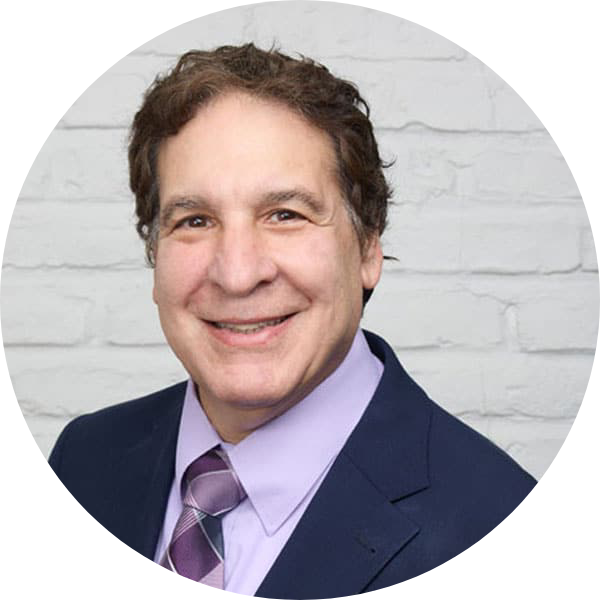
David Sietz, M.D.
Chief Medical Officer, Fusion Recovery
Email us or Call
Contact Form
"(Required)" indicates required fields